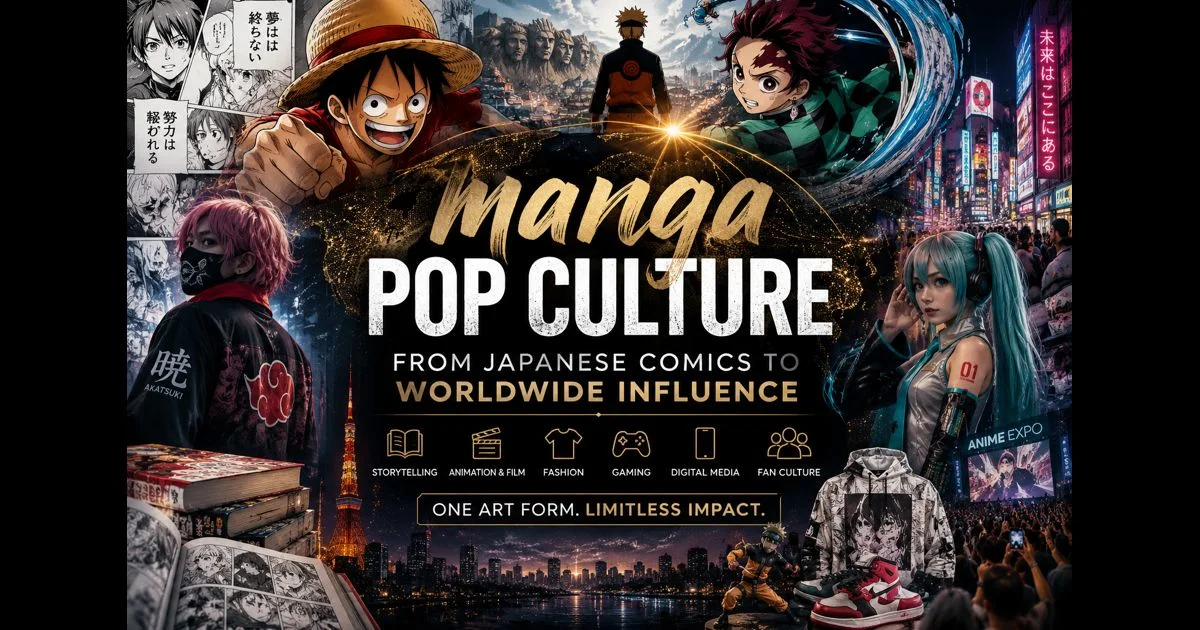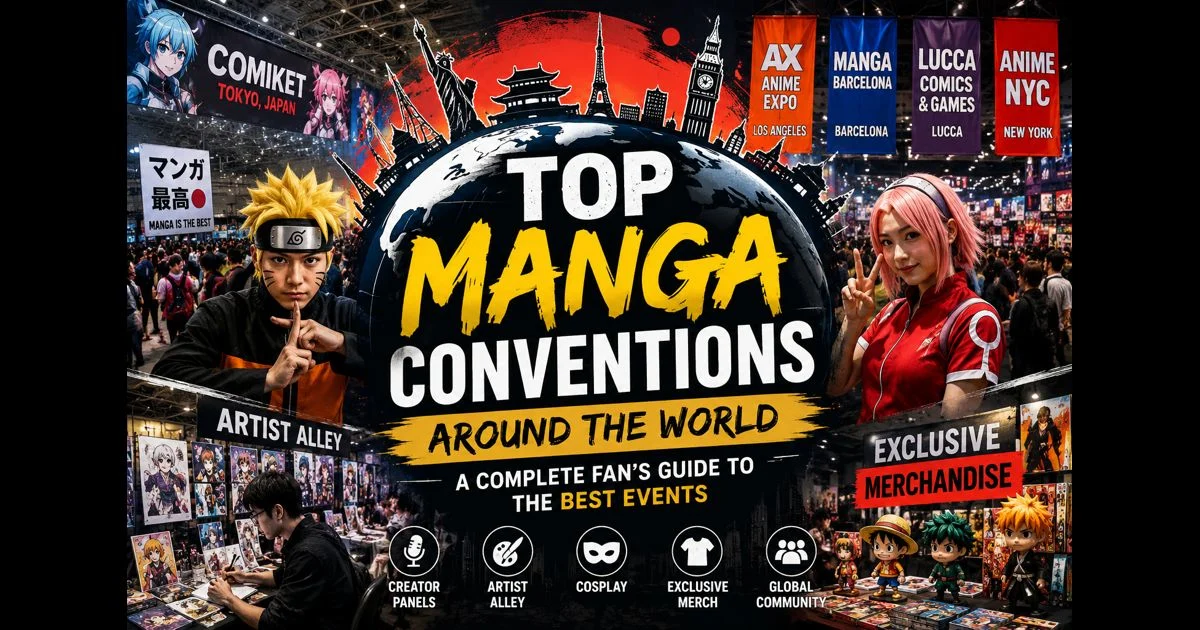
Manga conventions have become far more than places to buy books or meet fellow fans. They are global celebrations of creativity where readers, artists, publishers, translators, cosplayers, and collectors gather to share a passion for Japanese storytelling. Whether you’re attending your first convention or planning a trip to one of the world’s largest events, these gatherings offer experiences that cannot be replicated through online reading alone.
Every convention has its own personality. Some focus heavily on manga publishing and independent artists, while others combine manga with anime, gaming, cosplay, and broader Japanese pop culture. Visitors can attend creator panels, discover limited-edition artwork, participate in workshops, watch live demonstrations, and meet people who share the same interests from countries around the world.
As manga continues to reach new audiences across Europe, North America, Asia, and beyond, conventions have evolved alongside the industry. Modern events blend traditional fan culture with digital technology, offering mobile scheduling apps, virtual programming, live-streamed panels, and international guests. At the same time, they continue to preserve the welcoming community spirit that has made manga fandom so enduring.
Whether your goal is collecting exclusive merchandise, improving your artwork, networking with creators, or simply enjoying an unforgettable weekend surrounded by fellow enthusiasts, understanding how these conventions work will help you make the most of every visit.
If you’re interested in the broader culture surrounding manga, you may also enjoy our guide to Manga Culture and Community, which explores how fans connect beyond the pages of their favorite series.
What Makes Manga Conventions Special?
Unlike ordinary exhibitions or trade shows, manga conventions are built around shared enthusiasm. Thousands of people with different backgrounds come together because of a common appreciation for storytelling, illustration, and Japanese popular culture.
The atmosphere is remarkably diverse. You may encounter lifelong collectors searching for rare first editions, students learning digital illustration techniques, professional artists exhibiting original work, families introducing children to manga for the first time, and independent creators publishing their own comics.
This diversity creates an environment where newcomers feel welcome while experienced fans continue discovering something new with every event.
Some of the most rewarding aspects include:
- Meeting manga artists, editors, translators, and publishers.
- Discovering independent creators through artist alleys.
- Learning directly from professional workshops and educational panels.
- Exploring exclusive merchandise unavailable through regular retailers.
- Participating in cosplay competitions and photography events.
- Connecting with readers from different countries and cultures.
- Discovering upcoming manga releases before they reach wider audiences.
Rather than simply promoting products, successful conventions encourage conversation, creativity, and collaboration throughout the weekend.
How Manga Conventions Have Evolved
Today’s conventions are the result of decades of steady growth within the global manga community.
Early fan gatherings were often organized by local clubs, university societies, or independent enthusiasts who wanted to exchange recommendations, showcase fan-created artwork, and celebrate their favorite series. These events were relatively small but established the collaborative spirit that still defines many conventions today.
As manga publishers expanded internationally and legal translations became more widely available, fan communities grew rapidly. Larger venues became necessary to accommodate increasing attendance, attracting publishers, animation studios, merchandise companies, and internationally recognized creators.
Technology accelerated this evolution even further.
Online registration systems simplified ticket purchasing, social media helped attendees organize meetups before events began, and convention apps made navigating schedules significantly easier. Livestreams now allow international audiences to watch selected panels even if they cannot travel, while creators often announce new projects simultaneously to both in-person and online audiences.
Despite these technological improvements, the heart of every successful convention remains unchanged: bringing people together through a shared appreciation for manga and creative storytelling.
Core Experiences Every Visitor Should Explore
Every convention offers a slightly different program, but several experiences consistently define the best events around the world.
Industry Panels and Creator Sessions
Educational panels are among the most valuable parts of any convention.
Publishers often discuss upcoming releases, localization teams explain the translation process, and experienced artists provide practical insight into character design, visual storytelling, page composition, and publishing careers.
Rather than functioning as promotional presentations alone, many sessions encourage audience participation through live questions, demonstrations, and discussions about current industry trends.
For aspiring creators, these opportunities provide practical knowledge that is difficult to gain through online tutorials alone.
Artist Alley
Artist Alley remains one of the most popular destinations at nearly every convention.
Unlike commercial exhibition halls dominated by large companies, Artist Alley showcases independent illustrators, comic creators, designers, writers, and small creative studios.
Visitors can often purchase:
- Original illustrations
- Limited-edition art prints
- Handmade keychains and enamel pins
- Independent manga publications
- Fan-inspired artwork
- Sketch commissions
- Art books and concept collections
Many successful professional artists first gained recognition by exhibiting at convention artist alleys before publishing commercially.
Supporting independent creators not only helps emerging talent but also allows fans to discover unique artwork unavailable anywhere else.
Cosplay as Creative Expression
Cosplay has become an essential part of manga convention culture.
For many attendees, designing and wearing costumes is every bit as rewarding as attending panels or shopping for collectibles.
Months of planning often go into creating detailed costumes inspired by favorite manga characters. Participants research reference materials, build props, sew clothing, style wigs, and practice photography poses long before the event begins.
Modern cosplay competitions frequently recognize multiple categories rather than simply rewarding visual appearance. Judges may evaluate craftsmanship, creativity, material selection, performance, and character accuracy.
Even visitors who do not cosplay often enjoy meeting talented costume designers and photographing their impressive work, making cosplay one of the convention’s most memorable attractions.
Why These Events Continue to Grow Worldwide
The continued success of manga conventions reflects the growing international influence of Japanese storytelling.
Manga is no longer limited to a niche audience. Readers from virtually every region now enjoy genres ranging from action and fantasy to historical drama, mystery, romance, sports, science fiction, and slice-of-life stories.
This expanding readership naturally creates demand for places where fans can meet beyond digital communities.
Conventions satisfy that need by combining education, entertainment, creativity, networking, and cultural appreciation into a single experience.
Publishers benefit from direct interaction with readers, artists gain opportunities to showcase their work, independent creators build loyal audiences, and fans leave with memories that extend well beyond the books they purchase.
For many attendees, returning each year becomes less about shopping and more about reconnecting with friends, discovering emerging talent, and celebrating a community that continues to grow across the world.
The World’s Best Manga Conventions Every Fan Should Know
No single convention represents the entire manga community. Each event has developed its own identity based on local culture, industry participation, fan traditions, and creative opportunities. Some focus on independent creators, while others showcase major publishers and global entertainment brands.
If you’re planning to attend your first manga convention—or hoping to experience one of the world’s most respected events—these gatherings deserve a place on your list.
1. Comiket (Comic Market) — Tokyo, Japan
For many manga enthusiasts, Comiket is the ultimate convention experience.
Held twice each year in Tokyo, Comic Market is the world’s largest fan-created comic event, attracting hundreds of thousands of visitors across multiple days. Unlike many commercial conventions, Comiket is built around doujinshi—independently created manga, novels, illustrations, and fan works produced by artists themselves.
Walking through Comiket offers a completely different experience from browsing a traditional bookstore. Thousands of creators present original stories alongside fan-inspired works, allowing visitors to discover artists long before they become professionally published.
Highlights include:
- Massive doujinshi marketplace.
- Independent manga creators from across Japan.
- Original artwork and limited-edition publications.
- Cosplay areas with dedicated photography spaces.
- Direct interaction between artists and readers.
For aspiring creators, Comiket demonstrates how independent publishing continues to shape Japan’s manga industry.
2. AnimeJapan — Tokyo, Japan
AnimeJapan has become one of the industry’s most influential annual events, bringing together leading publishers, animation studios, production companies, and creative professionals.
Although anime receives significant attention, manga remains central to many announcements, exhibitions, and publisher showcases.
Visitors can often experience:
- New manga adaptation announcements.
- Publisher exhibitions.
- Creator interviews.
- Industry presentations.
- Exclusive promotional artwork.
- Limited convention merchandise.
Because major companies participate each year, AnimeJapan offers valuable insight into upcoming publishing trends and the future direction of Japanese entertainment.
3. Kyoto International Manga Anime Fair (Kyomaf)
Kyomaf provides a more relaxed atmosphere compared with Tokyo’s largest conventions while maintaining strong industry involvement.
Hosted in Kyoto—a city closely associated with Japanese history and traditional arts—the convention combines modern manga culture with cultural heritage.
Many visitors appreciate Kyomaf because it offers:
- Smaller crowds than larger conventions.
- Publisher booths.
- Artist exhibitions.
- Local creator showcases.
- Cultural activities connected to Japanese arts.
- Educational workshops.
For travelers seeking a balanced experience rather than overwhelming crowds, Kyomaf is often an excellent choice.
4. Anime Expo — Los Angeles, United States
Anime Expo has grown into one of the largest Japanese pop culture conventions outside Japan.
Every year, publishers, artists, voice actors, musicians, game developers, and manga companies gather to present new projects while engaging directly with international audiences.
Its manga programming typically includes:
- Author appearances.
- Publisher announcements.
- Manga drawing workshops.
- Industry career panels.
- Professional portfolio reviews.
- Large artist alley featuring creators from around the world.
The convention’s international audience creates opportunities for cultural exchange that extend well beyond entertainment.
Many artists who begin by exhibiting independently later establish successful publishing careers, making the Artist Alley one of Anime Expo’s most inspiring attractions.
5. San Diego Comic-Con — California, United States
Although San Diego Comic-Con is widely known for comics, films, television, and gaming, manga has become an increasingly important part of its programming.
Major publishers regularly host presentations introducing:
- Upcoming English manga releases.
- Translation projects.
- Collector editions.
- Creator interviews.
- Industry discussions.
- Exclusive convention editions.
The convention also provides opportunities to explore graphic storytelling from multiple cultures, allowing manga readers to broaden their understanding of comics as an international medium.
6. Anime NYC — New York, United States
Anime NYC has rapidly established itself as one of North America’s most respected conventions dedicated to Japanese popular culture.
Its growing popularity comes from strong publisher participation and programming designed specifically for manga readers.
Visitors frequently enjoy:
- Manga-focused panels.
- Publisher announcements.
- Artist signings.
- Independent creators.
- Cosplay competitions.
- Interactive fan activities.
Its location in New York also attracts international publishers looking to introduce new series to English-speaking audiences.
What Makes These Conventions Different?
While every convention celebrates manga, their priorities differ significantly.
| Convention | Best Known For |
| Comiket | Independent creators and doujinshi culture |
| AnimeJapan | Industry announcements and major publishers |
| Kyomaf | Creative exhibitions and cultural atmosphere |
| Anime Expo | International manga community and Artist Alley |
| San Diego Comic-Con | Global entertainment with strong manga presence |
| Anime NYC | Rapidly growing manga-focused programming |
Choosing the right event depends on your interests.
If your goal is discovering independent artists, Comiket stands in a class of its own.
If you want publisher announcements and upcoming releases, AnimeJapan delivers one of the strongest industry experiences available.
For international visitors seeking a balance between entertainment, education, and community interaction, Anime Expo and Anime NYC remain outstanding choices.
Regardless of which event you attend, each convention offers opportunities to discover new stories, support creators, and experience manga culture in ways that simply aren’t possible through online reading alone.
Best Manga Conventions Across Europe and Beyond
While Japan remains the birthplace of manga culture, conventions across Europe and other regions have built thriving communities of their own. Many of these events collaborate with Japanese publishers, invite internationally recognized artists, and introduce readers to both established classics and emerging creators.
For travelers, these conventions offer an opportunity to experience manga through different cultural perspectives while meeting fans from around the world.
7. Japan Expo — Paris, France
Japan Expo is one of Europe’s largest celebrations of Japanese culture, attracting visitors interested in manga, anime, gaming, music, traditional arts, and contemporary entertainment.
Manga remains one of the convention’s strongest attractions. Leading publishers often introduce new titles, while artists participate in live drawing sessions, interviews, and autograph opportunities.
Visitors can explore:
- Manga publisher exhibitions.
- Live illustration demonstrations.
- Author signing sessions.
- Japanese cultural performances.
- Cosplay competitions.
- Large shopping areas featuring books, figures, apparel, and collectibles.
Because the convention celebrates both traditional and modern Japanese culture, attendees gain a broader understanding of the creative influences behind many manga series.
8. MCM Comic Con London — United Kingdom
MCM Comic Con London has become one of the UK’s most recognizable events for manga, anime, comics, gaming, and popular culture.
Its diverse audience creates an energetic atmosphere where first-time visitors feel just as welcome as long-time collectors.
The convention offers:
- Manga and anime discussion panels.
- Artist Alley featuring independent creators.
- Cosplay showcases.
- Gaming experiences.
- Publisher booths.
- Merchandise from local and international retailers.
Many independent artists launch new projects during MCM Comic Con, making it an excellent destination for discovering original talent before it reaches wider audiences.
9. DoKomi — Düsseldorf, Germany
DoKomi has experienced remarkable growth and is now considered one of Europe’s leading conventions dedicated to anime and manga culture.
Originally created by fans, the event continues to emphasize creativity and community participation.
Popular attractions include:
- Independent artist markets.
- Manga illustration competitions.
- Cosplay championships.
- Creator workshops.
- Japanese fashion exhibitions.
- Live performances.
Its welcoming environment has helped DoKomi build a reputation as one of Europe’s most community-driven conventions.
10. Lucca Comics & Games — Italy
Lucca Comics & Games is one of Europe’s largest festivals dedicated to comics, illustration, gaming, and fantasy entertainment.
Unlike many indoor conventions, much of the event takes place throughout the historic city of Lucca, creating a unique atmosphere where exhibitions, performances, and fan activities become part of the surrounding streets.
For manga enthusiasts, highlights include:
- International publisher exhibitions.
- Manga creator appearances.
- Graphic novel showcases.
- Artist signing events.
- Cosplay parades.
- Educational discussions on illustration and storytelling.
The combination of history, architecture, and creative culture makes Lucca Comics & Games unlike any other convention experience.
Why Every Convention Offers a Different Experience
Even when two conventions appear similar, their priorities often differ considerably.
Some focus heavily on commercial publishing, where companies reveal future releases and exclusive products.
Others prioritize independent creators, allowing visitors to discover original artwork, self-published manga, and small creative businesses that rarely appear in mainstream bookstores.
Several factors shape each convention’s identity:
- Size of the event.
- Participation from Japanese publishers.
- Independent artist presence.
- Educational workshops.
- Community activities.
- Cosplay culture.
- International guest appearances.
- Merchandise availability.
Understanding these differences helps visitors choose events that match their personal interests rather than simply attending the largest convention available.
Planning Your Convention Experience
Attending a major manga convention becomes far more enjoyable with careful preparation.
Purchase Tickets Early
Popular conventions often sell out months before opening day. Buying tickets early not only guarantees entry but may also provide access to discounted pricing or special attendee benefits.
Always purchase tickets through official event websites or authorized partners to avoid fraudulent resales.
Research the Event Schedule
Large conventions may host hundreds of activities across multiple stages and halls.
Before arriving, review:
- Panel schedules.
- Guest appearances.
- Workshop times.
- Signing sessions.
- Exhibition maps.
- Merchandise announcements.
Creating a flexible itinerary helps you avoid missing high-priority events while leaving time for unexpected discoveries.
Set a Realistic Budget
Conventions can quickly become expensive if spending isn’t planned in advance.
Typical expenses include:
- Admission tickets.
- Transportation.
- Accommodation.
- Food and drinks.
- Exclusive merchandise.
- Artwork and collectibles.
- Autographs.
- Photography sessions.
Many experienced attendees establish separate budgets for essentials and optional purchases, reducing impulse spending while still enjoying the event.
Pack Smart
A comfortable day often depends on carrying the right essentials.
Recommended items include:
- Comfortable walking shoes.
- Portable phone charger.
- Reusable water bottle.
- Small backpack.
- Notebook or sketchbook.
- Weather-appropriate clothing.
- Protective folder for artwork.
- Cash for independent artists.
Packing light while remaining prepared makes long convention days significantly more enjoyable.
Supporting Artists Responsibly
One of the most rewarding aspects of manga conventions is the opportunity to support creators directly.
When purchasing from independent artists:
- Respect photography policies.
- Ask permission before recording booths.
- Handle artwork carefully.
- Credit artists when sharing purchases online.
- Avoid negotiating unfair discounts.
- Follow artists through their official platforms if you enjoy their work.
Small purchases often provide meaningful support for creators building their careers, while respectful interactions strengthen the welcoming atmosphere that defines successful conventions.
Whether you’re buying an original illustration or simply thanking an artist for their work, positive interactions contribute to the community that keeps these events thriving year after year.
The Rise of Virtual and Hybrid Manga Conventions
Technology has expanded how fans participate in conventions, making it possible to engage with creators and fellow readers even without traveling.
Many major events now include virtual features alongside their physical programs. Livestreamed panels, online workshops, digital exhibitor directories, and interactive Q&A sessions allow international audiences to take part regardless of location.
While virtual attendance cannot fully replace the excitement of walking through a convention hall, it offers several important advantages:
- Greater accessibility for international fans.
- Reduced travel and accommodation costs.
- Flexible viewing through recorded sessions.
- Easier participation for people with mobility or scheduling limitations.
- Opportunities to discover creators before attending future in-person events.
Hybrid formats have also helped conventions reach wider audiences without losing the personal interactions that make these gatherings memorable.
Emerging Trends Shaping Future Manga Conventions
Manga conventions continue to evolve alongside changes in publishing, technology, and fan culture.
Several trends are likely to influence future events.
Greater International Collaboration
Publishers increasingly introduce titles to global audiences through simultaneous announcements, multilingual presentations, and partnerships with international distributors.
This growing collaboration helps readers discover new creators while giving artists greater exposure outside Japan.
Stronger Support for Independent Creators
Artist Alley continues to expand at many conventions, reflecting growing appreciation for self-published comics and original artwork.
Independent creators now have more opportunities to:
- Sell directly to readers.
- Build long-term audiences.
- Launch crowdfunding campaigns.
- Receive professional feedback.
- Network with publishers and editors.
Many successful manga artists began by sharing their work at conventions before entering commercial publishing.
Improved Event Technology
Technology is making conventions more efficient without replacing the personal experience.
Modern events increasingly use:
- Digital schedules with real-time updates.
- Mobile event applications.
- Interactive venue maps.
- Virtual waiting systems.
- Cashless payment options.
- Digital ticketing.
- Live translation support for selected sessions.
These improvements reduce waiting times and help visitors spend more time enjoying the event itself.
Sustainability and Accessibility
Many organizers are placing greater emphasis on environmentally responsible practices and inclusive event design.
Examples include:
- Digital event guides instead of printed programs.
- Recycling initiatives.
- Refillable water stations.
- Improved accessibility routes.
- Quiet spaces for attendees who need breaks.
- Family-friendly facilities.
- Better accessibility information before the event.
These improvements make conventions more comfortable for a wider range of visitors while supporting responsible event management.
Making the Most of Your First Manga Convention
Whether you’re attending a local gathering or one of the world’s largest conventions, a few practical habits can significantly improve your experience.
Arrive with realistic expectations rather than trying to see everything.
Large conventions often feature hundreds of activities happening simultaneously. Instead of rushing from one location to another, prioritize the experiences that matter most to you while leaving room for unexpected discoveries.
Take time to explore Artist Alley, attend at least one educational panel, support independent creators, and interact with other fans. Many attendees find that the conversations they have throughout the weekend become just as memorable as the merchandise they purchase.
If you’re collecting books or artwork, carry protective storage to prevent damage during the day. Staying hydrated, wearing comfortable footwear, and taking occasional breaks will also help you enjoy long convention hours without unnecessary fatigue.
Finally, remember that conventions are community events built on mutual respect. Following event guidelines, supporting creators ethically, and being considerate of fellow attendees helps create a welcoming environment that everyone can enjoy.
Final Thoughts
Manga conventions continue to play an important role in connecting readers, creators, publishers, and artists from around the world.
Each event offers something unique. Some emphasize independent creativity through thriving artist communities, while others showcase major publishers, exclusive announcements, educational programming, and large-scale exhibitions. Together, they demonstrate how manga has grown from a regional publishing industry into a truly global cultural phenomenon.
Whether you’re visiting the legendary halls of Comiket in Japan, exploring international showcases like Anime Expo, discovering Europe’s vibrant convention scene, or participating through virtual programming, every event provides opportunities to learn, create, and build lasting connections with fellow fans.
Rather than simply celebrating popular series, today’s conventions encourage creativity, collaboration, and cultural exchange. They introduce readers to new artists, inspire future creators, and strengthen the global manga community one event at a time.
If you’re planning your first convention, start by researching the event that best matches your interests, prepare in advance, and keep an open mind. Some of the most rewarding discoveries happen when you step beyond your reading list and explore something completely unexpected.
Frequently Asked Questions
What is the biggest manga convention in the world?
Comiket (Comic Market) in Tokyo, Japan, is widely recognized as the world’s largest event dedicated to fan-created manga and doujinshi. It attracts hundreds of thousands of visitors during each edition and remains one of the most influential gatherings in manga culture.
Are manga conventions only for experienced fans?
No. Manga conventions welcome everyone, including first-time visitors, casual readers, families, artists, collectors, and long-time enthusiasts. Most events offer activities suitable for different experience levels and interests.
What should I bring to a manga convention?
Comfortable clothing, walking shoes, a portable charger, water, snacks, a small backpack, cash or payment cards, and protective storage for books or artwork are among the most useful items to bring.
Can I meet manga creators at conventions?
Many conventions invite manga artists, writers, editors, translators, and publishers to participate in panels, interviews, workshops, and autograph sessions. Availability varies by event, so checking the official schedule before attending is recommended.
Are cosplay costumes required?
No. Cosplay is completely optional. Many attendees choose to wear everyday clothing while enjoying the convention, whereas others participate in cosplay as a creative hobby.
How can I support independent artists during a convention?
Purchasing artwork, books, or merchandise directly from creators, respecting booth policies, sharing their work through official channels with proper credit, and engaging respectfully are excellent ways to support independent artists and help strengthen the creative community.