Readmymanga com brings together the different parts of the manga experience that are often discussed separately. Reading guidance, genre knowledge, visual storytelling, artistic practice, publishing, fan culture and responsible access all belong to the same creative ecosystem. Understanding how these areas connect makes manga easier to explore and more rewarding to appreciate.
The website using the Readmymanga com name at Readmymanga.co.uk is best understood through its published editorial content. Its articles examine manga as a reading format, an art form, a publishing tradition and a global community. That focus gives the site a broader role than a directory of titles or a collection of brief recommendations. It provides context that can help readers understand how manga is made, how it communicates and how to approach it responsibly.
Because similar names can exist on separate domains, the exact web address matters. Readmymanga.co.uk should not be assumed to own, represent or have a formal relationship with another website, publisher, application or social account unless that relationship is clearly disclosed. This distinction keeps the site’s identity accurate and allows its work to be judged on the information it actually publishes.
An Editorial View of the Complete Manga Experience
Manga is sometimes reduced to familiar series, popular characters or broad labels such as action and romance. Those elements are part of the medium, but they do not explain its full range. Manga can be serialized or self-contained, commercial or independent, realistic or fantastical, humorous or deeply serious. It can address everyday relationships, sport, history, food, work, mystery, science fiction, personal identity and almost any other subject a visual narrative can carry.
Readmymanga com approaches this variety through connected editorial areas. Readers can move from introductory material into discussions of genres, art styles, digital reading, libraries, creative techniques, publishing and fandom. This structure reflects the way genuine interest develops. Someone may begin by learning how pages are read and later become curious about panel composition, translation, collecting, manga history or the work required to produce a finished volume.
The value of that approach lies in connection rather than volume alone. A useful resource does not merely present more information; it shows how the information fits together. Reading choices are influenced by audience, theme, pace, length, availability and personal taste. Artistic decisions affect tone and narrative rhythm. Publishing and licensing determine where a work can be accessed. Community discussion shapes discovery but also creates responsibilities around spoilers, attribution and copyright.
Manga as Both Writing and Visual Language
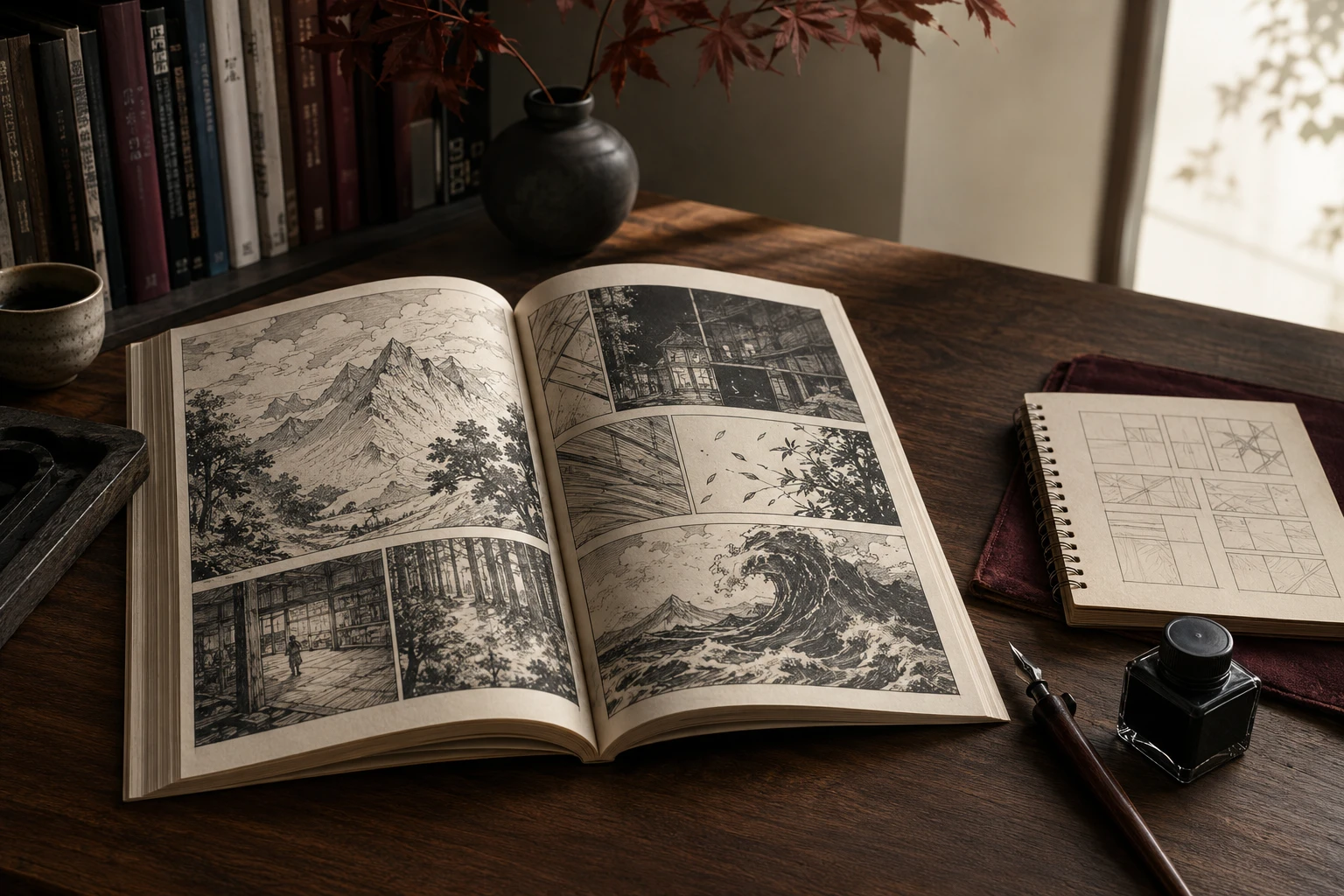
Manga communicates through a deliberate relationship between words and images. Dialogue and captions carry only part of the story. Panel size, page turns, line weight, framing, negative space, facial expression and even silence influence how a scene feels. A narrow sequence of panels may slow a moment down, while a large image can give an action or revelation greater weight. Background detail can establish place, and its absence can direct attention toward emotion.
This visual grammar explains why a plot summary can never fully represent the reading experience. Two works may share a similar premise while feeling completely different because their creators control pace, perspective and atmosphere in different ways. One may depend on dense conversation and intricate settings; another may rely on quiet expressions, restrained dialogue and carefully timed page turns.
Reading direction is another important part of presentation. Many translated editions preserve the original right-to-left page order, but readers should still follow the guidance printed in the edition they are using. Digital platforms may display single pages, paired pages or continuous vertical layouts. The format can change how spreads and transitions appear, making device choice and reader settings relevant to the artwork rather than merely technical preferences.
By treating manga as visual literature, Readmymanga com creates space for deeper analysis. Character design, composition, inking, lettering and pacing are not decorative additions placed around a story. They are among the tools through which the story is told.
Understanding Genres Without Flattening Their Differences
Genre labels are useful starting points, but they can become misleading when treated as complete definitions. Action, fantasy, romance, horror, comedy, sports and slice-of-life describe narrative qualities. Labels such as shonen, shojo, seinen and josei are more closely connected to the intended readership and publishing context of a work. These systems can overlap, and neither one predicts every theme, tone or reader response.
A thoughtful choice therefore considers more than a category name. The emotional intensity of a story, the complexity of its themes, the age guidance attached to a particular edition, the length of the series and its publication status may all matter. A reader who enjoys fantasy may prefer political world-building, gentle folklore, fast combat or romantic adventure. Placing all four under one label does not make them interchangeable.
Readmymanga com can support discovery most effectively by explaining these differences instead of presenting any single ranking as universal. Recommendations become more meaningful when the reason for each suggestion is clear. Tone, narrative commitment, artistic style and content considerations help a reader decide whether a work genuinely suits their interests.
Reading Across Print, Digital Platforms and Libraries
The choice between print and digital manga is not a contest with one correct answer. Printed volumes offer a fixed layout, physical ownership and a collecting experience. Digital editions can provide portability, quick access, adjustable display options and, on supported services, offline reading. Libraries may offer print borrowing, digital lending or requests for titles that are not yet in a local collection.
Each route also has practical limits. A printed series requires storage and may contain volumes that are difficult to find. Digital catalogues can vary by country and may change as licences or distribution agreements change. Library availability depends on funding, demand and the services licensed by a particular system. Readers benefit from checking the exact edition, included volumes, language, device support and access terms before making a decision.
The site’s guide to reading manga online safely expands on responsible digital choices. The central principle is simple: a polished interface does not by itself prove that a service is authorised to distribute a title. Clear publisher information, licensing details, transparent prices, secure account pages and understandable subscription conditions are more meaningful signs of legitimacy.
Responsible Access Is Part of Good Manga Coverage
Manga reaches readers through the combined work of writers, artists, assistants, editors, translators, letterers, designers, printers, publishers and distributors. Responsible access recognises that creative and professional chain. Licensed editions, authorised retailers, publisher-supported services and legitimate library programmes help sustain the people involved while usually providing more reliable translation, image quality and publication information.
Readers should remain careful with claims that a title is free, complete or officially translated. Availability may be temporary or restricted to certain regions. A free preview is not necessarily a full-volume licence, and an unofficial upload does not become authorised because it is widely shared. When a platform’s status is uncertain, confirmation from the relevant publisher or rights holder carries more weight than promotional language on the platform itself.
Safety also includes ordinary account awareness. Before registering or paying, readers should examine subscription renewal terms, cancellation rules, privacy information, device permissions and the identity of the company processing payment. These checks are useful for any digital reading service and should be revisited when its policies or ownership change.
From a Story Idea to a Finished Manga
Manga creation is a layered process rather than a single act of drawing. A project often begins with a premise, central conflict and characters whose decisions can sustain the narrative. The creator then develops the structure through an outline, script or rough storyboard. In Japanese production, the early page plan is often associated with the name: a working version that establishes panels, dialogue, movement and page rhythm before final artwork begins.
This stage matters because visual pacing is difficult to repair after every page has been rendered in detail. A scene may be well written but still feel confusing if eye movement is unclear or essential information is crowded into a small panel. Conversely, a technically impressive drawing may weaken the story if it interrupts the emotional sequence or draws attention away from the important action.
Later work can include refined pencils, backgrounds, inking, tones or colour, lettering, sound effects and repeated editorial review. The precise workflow differs between individual creators, collaborative teams and publishers. Digital tools may support planning and production, but they do not remove the need for readable composition, consistent character design and purposeful revision.
Publication adds another set of decisions. Format, audience, submission requirements, ownership, rights, deadlines and editorial fit can influence where a project belongs. Creators should read the current terms of any publisher, competition or distribution platform before submitting work. A general guide can explain the process, but only the receiving organisation can define its active requirements.
Manga Culture Beyond the Page
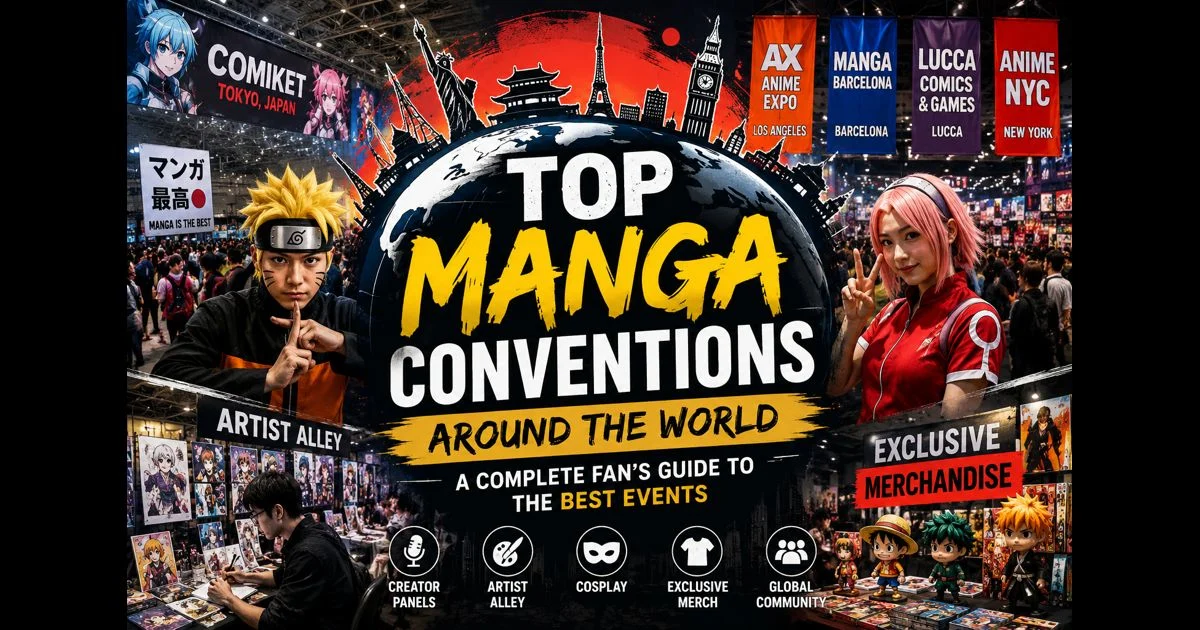
Manga is often read individually, yet its culture is strongly communal. Readers exchange recommendations, discuss themes, compare translations, collect editions, attend events and create art inspired by stories that matter to them. Libraries, bookshops, clubs and online groups can introduce people to works they might never encounter through bestseller lists alone.
The healthiest communities make room for enthusiasm without abandoning respect. Spoiler warnings protect another reader’s experience. Crediting artists and translators preserves attribution. Clear labels distinguish personal theories, fan-created material and confirmed publication news. Disagreement about a character or ending does not justify harassment, and popularity does not make one reader’s taste more valid than another’s.
Fan art, cosplay and fan writing can deepen creative engagement, but the original work and the creator’s rights remain important. Community norms and legal rules are not identical in every setting, so creators should be credited and platform policies should be followed. Readmymanga com’s wider discussion of manga culture and community provides further context for participating thoughtfully.
Information Quality in a Fast-Changing Publishing Landscape
Manga information can age quickly. A series may change publisher, a digital service may revise its catalogue, an edition may go out of print, or a subscription may alter its price and features. Even accurate guidance needs a visible publication or update date when it addresses details that may change.
Strong editorial work separates lasting explanation from time-sensitive information. The principles of panel composition or character development can remain useful for years. A claim about where a particular volume is available may require fresh verification. Readers deserve to know the difference.
Accuracy also requires restraint. A manga resource should not invent partnerships, catalogue sizes, community features, awards or licensing status. If a feature cannot be confirmed on the relevant site, it should not be presented as fact. Careful language builds more trust than exaggerated claims because it gives readers information they can test for themselves.
Corrections and updates are part of this standard. An editorial resource becomes stronger when it fixes significant errors, clarifies ambiguous wording and removes outdated instructions. Trust grows through consistent accuracy, not through declarations of authority.
A Resource for Readers, Creators and Educators
Different audiences can use Readmymanga com in different ways. New readers may begin with format, genre and reading guidance. Experienced fans can explore visual techniques, publishing context and cultural influence. Aspiring creators may focus on storytelling, page design, production and submission preparation.
Parents, librarians and educators can also benefit from general explanations, but individual titles still require individual evaluation. Manga is a medium, not an age rating. Artwork that appears light or playful can accompany mature themes, while sophisticated visual storytelling can appear in works intended for younger readers. Publisher ratings, content descriptions and direct familiarity with the volume are better guides than assumptions based on illustration alone.
The most useful reading path is therefore guided by purpose. Someone choosing a first manga needs different information from an artist revising a storyboard or a librarian developing a collection. A connected editorial structure allows each reader to enter through the subject that matters and build outward without forcing every topic into the same type of article.
The Role Readmymanga Com Can Serve
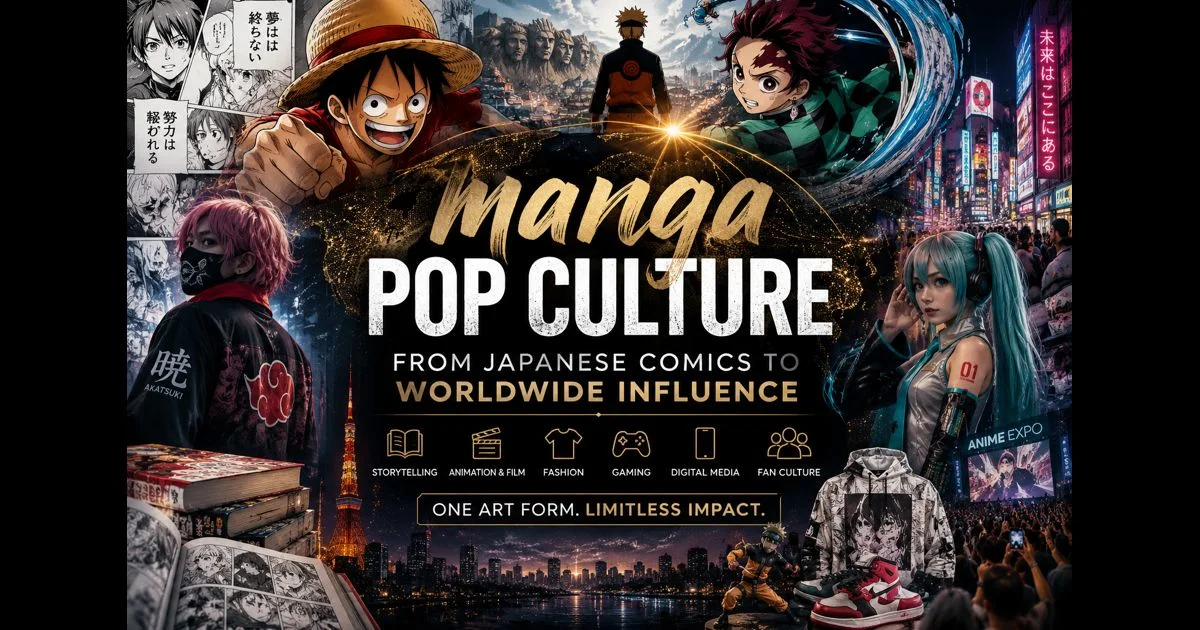
Readmymanga com is strongest when it explains manga with precision, context and respect for the creative work behind it. Its editorial scope can connect discovery with visual literacy, safe access with creator support, and fan participation with responsible community behaviour. These are not isolated subjects; together they describe how manga moves from an idea to a published work and from a published work into a reader’s life.
That role does not require presenting the site as a publisher, licensed distributor or official representative of another brand. Its value can stand on careful research, transparent distinctions and articles that answer meaningful questions without overstating what the website provides.
Final Thoughts
Readmymanga com offers a framework for understanding manga beyond individual titles. By connecting reading formats, genres, visual storytelling, creation, publication, culture and responsible access, the site can help readers develop a more informed relationship with the medium.
The strongest foundation for that work is accuracy. Clear domain identity prevents confusion. Balanced guidance respects differences in taste. Responsible access supports the people who create and publish manga. Careful updates keep changing information useful. When these principles shape every article, Readmymanga com becomes more than a name attached to manga content; it becomes a coherent editorial resource for learning how manga is read, made, shared and understood.
Frequently Asked Questions
What does Readmymanga com cover?
Readmymanga com publishes informational material about manga reading, genres, visual storytelling, art, creation, publishing, culture, community and responsible digital access.
Does Readmymanga.co.uk represent a manga publisher or another similarly named website?
No such relationship should be assumed. A shared or similar name does not establish ownership, endorsement or affiliation. Any formal connection should be accepted only when the relevant parties clearly disclose it.
Can the site help someone who is new to manga?
Its introductory coverage can help new readers understand reading direction, formats, genres, age considerations and ways to discover legally available editions. Suitability and availability should still be checked for each individual title.
Does Readmymanga com cover manga creation as well as reading?
Yes. Its editorial scope includes storytelling, character development, page composition, artwork, production and the route from an initial idea toward publication.
Why does responsible manga access matter?
Authorised access supports the writers, artists, editors, translators, publishers and other professionals who bring manga to readers. It also usually provides clearer licensing information, more reliable editions and safer account or payment practices.