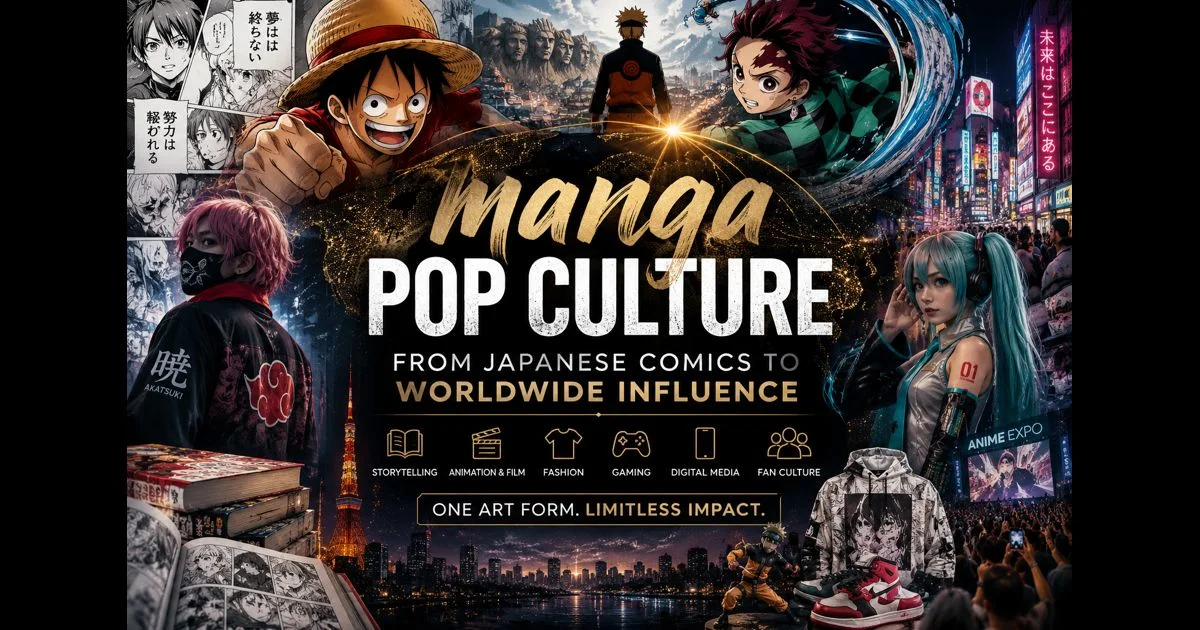
For decades, manga was viewed primarily as a distinctive form of Japanese entertainment. Today, its influence extends far beyond bookstore shelves, shaping global storytelling, visual design, fashion, education, digital media, and creative communities. What began as a publishing tradition rooted in Japan has evolved into an international cultural force that inspires millions of readers, creators, and businesses across continents.
The worldwide growth of manga is not simply the result of increasing translations or expanding distribution. Its success comes from the ability to tell emotionally engaging stories that resonate across different cultures while remaining deeply connected to Japanese artistic traditions. Readers from diverse backgrounds often discover that themes such as friendship, ambition, resilience, identity, and personal growth feel universally relatable regardless of where the stories originate.
As manga reached international audiences, it also transformed industries beyond publishing. Animation studios, film producers, fashion brands, game developers, educators, museums, and independent artists increasingly embraced manga-inspired creativity. Today, its influence can be found in everything from blockbuster entertainment and digital illustration to academic research and global fan conventions.
This article explores how manga became one of the most influential creative movements of modern popular culture, examining its evolution, its growing impact on entertainment and visual arts, the role of digital technology, and the reasons its popularity continues to expand around the world.
The Journey from National Art Form to Global Cultural Movement
Manga’s international success did not happen overnight. Its global recognition developed gradually through decades of artistic innovation, publishing expansion, cultural exchange, and technological progress.
Long before digital reading platforms existed, Japanese publishers established a highly structured ecosystem of serialized storytelling. Weekly and monthly magazines introduced readers to new chapters before successful series were collected into standalone volumes. This publishing model encouraged long-term storytelling, allowing characters and fictional worlds to develop over many years.
As translated editions became more widely available, readers outside Japan discovered storytelling approaches that often differed from traditional Western comics. Instead of focusing primarily on superheroes or short adventures, many manga series emphasized character development, emotional growth, detailed world-building, and carefully paced narratives.
These qualities helped manga appeal to audiences of different ages and interests, contributing to its steady international expansion.
Why Manga Connects with Readers Worldwide
One of manga’s greatest strengths is its remarkable diversity.
Rather than serving a single type of audience, manga explores an enormous variety of genres, themes, and artistic styles.
Readers can explore stories centered on:
- Adventure and fantasy
- Science fiction
- Mystery and psychological thrillers
- Romance and relationships
- Historical fiction
- Sports and competition
- Cooking and culinary culture
- Business and professional life
- Music and performing arts
- Health, family, and everyday experiences
This diversity allows readers to find stories that reflect both extraordinary adventures and ordinary human experiences.
Instead of relying solely on action or spectacle, many manga series invest significant attention in character relationships, personal challenges, moral choices, and emotional development. These qualities often encourage long-term reader engagement and explain why many series remain influential for decades.
How Manga Changed Modern Storytelling
One of manga’s most significant contributions to global popular culture is the way it approaches narrative structure.
Many creators prioritize gradual character development instead of rushing toward dramatic conclusions. Important moments are often built through smaller interactions, quiet conversations, and carefully paced emotional progression.
Several storytelling techniques associated with manga have become increasingly common in international creative industries:
- Long-form character development.
- Detailed world-building.
- Multi-layered supporting casts.
- Emotional pacing alongside action.
- Visual storytelling with minimal dialogue.
- Character-driven conflict rather than constant spectacle.
- Ongoing story arcs that reward long-term readers.
These techniques have influenced graphic novels, animated productions, television series, streaming content, and even novels written outside Japan.
Modern audiences have become increasingly comfortable with serialized storytelling, where narratives unfold gradually over months or even years. Manga helped demonstrate that readers are willing to invest in complex fictional worlds when characters continue growing naturally throughout the story.
Manga’s Influence on International Entertainment
Entertainment industries around the world have increasingly recognized manga as a valuable source of creative inspiration.
Many successful television series, animated productions, films, and interactive media now draw upon storytelling methods that manga has refined over decades.
Rather than simply adapting popular series, production companies often study how manga creates emotional investment through pacing, visual composition, and character relationships.
Several areas of entertainment have been particularly influenced.
Animation
Animation remains the most visible bridge between manga and global audiences.
Many internationally successful animated productions begin as manga before expanding into television series, theatrical films, or original streaming projects.
Successful adaptations often introduce entirely new audiences to the original printed stories, creating a relationship where both formats strengthen one another rather than competing for attention.
This cycle has encouraged publishers to invest in high-quality storytelling while allowing animation studios to adapt narratives that already possess established readerships.
Film and Television
Live-action productions based on manga continue to attract international attention.
While adapting illustrated stories into live-action presents creative challenges, successful projects demonstrate that carefully developed characters and compelling narratives can resonate across different formats.
Rather than focusing solely on visual similarities, many modern adaptations place greater emphasis on preserving the emotional themes and character relationships that originally attracted readers.
This approach has contributed to wider acceptance of manga-inspired storytelling among mainstream audiences.
Video Games
The influence of manga extends well beyond books and television.
Many game developers borrow visual techniques, dramatic pacing, expressive character design, and cinematic action sequences commonly associated with manga.
Role-playing games, action adventures, fighting games, and visual novels frequently incorporate storytelling structures that emphasize gradual progression, emotional investment, and detailed world-building.
Players often experience narratives that feel remarkably similar to reading long-running manga series, where personal growth remains just as important as external conflict.
The Creative Freedom That Sets Manga Apart
Another reason manga continues influencing global pop culture is its willingness to explore ideas that traditional entertainment sometimes avoids.
Independent creators and established publishers alike experiment with unusual concepts, unconventional protagonists, and genres that blend comedy, drama, science fiction, history, mystery, and philosophy.
This creative flexibility encourages innovation throughout the publishing industry.
Readers regularly encounter stories centered on professions, hobbies, historical events, scientific research, traditional arts, architecture, cooking, medicine, sports, and countless other subjects rarely explored in mainstream entertainment.
As a result, manga has become recognized not simply as a category of comics but as a storytelling medium capable of presenting virtually any subject through engaging visual narratives.
Its ability to balance artistic experimentation with accessible storytelling continues to inspire creators around the world while introducing readers to perspectives they may never have encountered elsewhere.
Manga’s Influence Beyond Entertainment
While many people first discover manga through books or animated adaptations, its cultural impact extends much further. Over the years, manga has inspired designers, educators, publishers, artists, technology companies, and creative professionals working in completely different industries.
Its visual language and storytelling techniques have become recognizable around the world, influencing how ideas are communicated both inside and outside the entertainment sector.
Rather than remaining a niche art form, manga has become part of the broader creative economy.
Fashion Inspired by Manga Culture
Fashion has always reflected cultural movements, and manga is no exception.
Character designs, expressive artwork, and memorable symbols have inspired clothing collections ranging from independent streetwear labels to internationally recognized fashion houses. Instead of simply printing characters on T-shirts, many designers reinterpret manga aesthetics through color palettes, silhouettes, typography, and graphic compositions.
This influence can be seen in:
- Graphic apparel inspired by manga artwork.
- Limited-edition collaborations between publishers and fashion brands.
- Accessories featuring iconic visual motifs.
- Sneaker collections influenced by popular series.
- Contemporary streetwear incorporating Japanese illustration styles.
- Designer collections celebrating Japanese pop culture.
These collaborations introduce manga to audiences who may not regularly read comics while giving long-time fans new ways to express their interests.
Cosplay: Creativity That Became a Global Movement
Cosplay has grown into one of the most recognizable parts of manga culture.
Although costumes inspired by fictional characters existed long before modern conventions, manga played a major role in expanding cosplay into an international creative community.
Today, cosplay represents far more than dressing as a favorite character.
Participants often spend weeks or even months researching reference materials, designing costumes, sewing garments, sculpting props, styling wigs, applying makeup, and practicing performances.
Many creators also develop valuable skills including:
- Costume construction.
- Textile design.
- Prop fabrication.
- Photography.
- Digital editing.
- Stage presentation.
- Character performance.
For some individuals, cosplay has even become a professional career through competitions, workshops, educational content, and creative collaborations.
The community continues to encourage learning, craftsmanship, and artistic expression rather than simply focusing on appearance.
Manga’s Growing Influence on Visual Arts
Illustrators around the world increasingly incorporate techniques that have long been associated with manga.
Dynamic composition, expressive facial reactions, cinematic panel layouts, and carefully controlled pacing have become valuable storytelling tools across numerous creative disciplines.
Many contemporary artists draw inspiration from manga without directly copying its style.
Its influence appears in:
- Editorial illustration.
- Graphic novels.
- Advertising campaigns.
- Children’s publishing.
- Digital concept art.
- Character design.
- Storyboarding for animation.
- Independent webcomics.
The emphasis on visual storytelling has encouraged creators to communicate emotion through composition, movement, perspective, and facial expression rather than relying entirely on dialogue.
As a result, manga continues contributing to the evolution of modern illustration worldwide.
How Publishing Has Changed Through Manga
The publishing industry has also learned valuable lessons from manga’s long-term success.
Traditional publishing often centered around standalone releases, while manga popularized serialized storytelling that encouraged readers to return regularly for new chapters.
This approach demonstrated several important advantages:
- Stronger reader engagement.
- Long-term audience loyalty.
- Ongoing character development.
- Community discussion between releases.
- Sustainable publishing schedules.
- Greater opportunities for adaptation into other media.
Many publishers outside Japan have since experimented with serialized digital releases, online chapters, subscription platforms, and creator-driven publishing models inspired by manga’s proven success.
This evolution has expanded opportunities for independent artists while providing readers with more flexible ways to discover new stories.
Educational Value Beyond Entertainment
Although manga is often associated with entertainment, educators increasingly recognize its value as a learning resource.
Schools, universities, and libraries use selected manga to encourage reading, introduce historical topics, support language learning, and explore complex social themes through accessible storytelling.
Many readers discover that visual narratives can make unfamiliar subjects easier to understand by combining illustrations with carefully paced explanations.
Educational applications include:
- Literature studies.
- Cultural education.
- Japanese language learning.
- Art and illustration courses.
- Storytelling analysis.
- Visual communication.
- Creative writing inspiration.
This growing academic interest demonstrates that manga can serve both educational and recreational purposes without sacrificing artistic quality.
Digital Platforms Changed Everything
Perhaps the greatest factor behind manga’s worldwide expansion has been digital accessibility.
Readers no longer depend solely on physical bookstores to discover new series.
Official digital services have transformed how audiences access manga by offering legal, convenient, and increasingly simultaneous releases across multiple countries.
Modern readers benefit from:
- Instant access to extensive libraries.
- Reading across multiple devices.
- Personalized recommendations.
- Cloud synchronization.
- Official translations.
- Flexible subscription options.
- Improved accessibility features.
These improvements have helped publishers reach readers who previously had limited access to printed editions while reducing geographical barriers that once restricted international audiences.
Social Media Expanded the Manga Community
Social media has accelerated manga’s cultural influence by allowing readers and creators to interact directly.
Instead of waiting for conventions or magazine interviews, artists now share sketches, creative processes, behind-the-scenes updates, and personal insights with audiences worldwide.
Fans contribute by creating:
- Book reviews.
- Reading recommendations.
- Artwork.
- Cosplay photography.
- Video essays.
- Collection showcases.
- Discussion groups.
- Community events.
This constant exchange has strengthened global manga communities and introduced new readers to series they may never have discovered through traditional publishing alone.
Rather than functioning as passive consumers, modern fans actively participate in conversations that help shape the broader manga community.
As these digital communities continue growing, manga’s influence extends far beyond printed pages, becoming part of everyday online culture and inspiring creative collaboration across countries, languages, and artistic backgrounds.
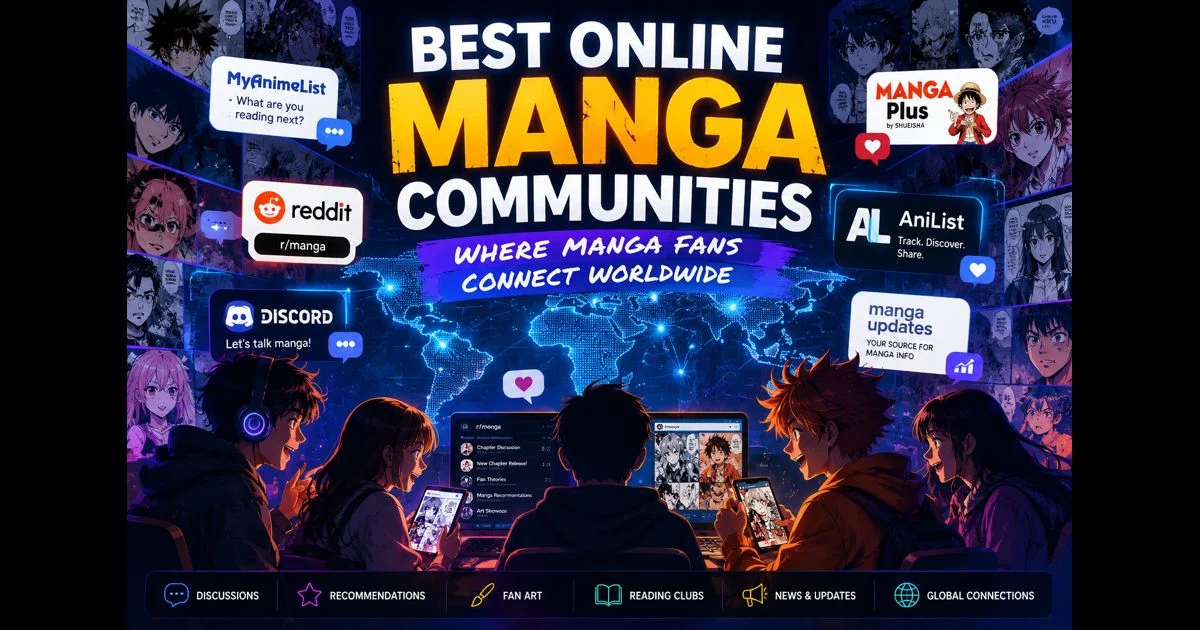
Manga as a Global Community
One of manga’s greatest achievements is its ability to connect people who may never have met under different circumstances. Readers from different countries, cultures, and generations regularly discover common interests through the stories they enjoy.
Whether discussing a newly released chapter, recommending classic series, or sharing original artwork, fans contribute to a worldwide community built around creativity and conversation rather than geography.
Online discussion groups, local reading clubs, university societies, and international conventions all demonstrate how manga has become a shared cultural experience that extends well beyond reading.
This sense of belonging is one of the reasons manga continues attracting new audiences every year.
Fan Communities Drive Long-Term Growth
Strong communities have helped manga remain relevant across multiple generations.
Readers often introduce favorite series to friends, siblings, classmates, and family members, creating natural word-of-mouth growth that cannot be replicated through advertising alone.
Active communities contribute in many ways, including:
- Organizing local reading groups.
- Hosting fan discussions.
- Sharing recommendations for new readers.
- Creating artwork inspired by my favorite series.
- Producing educational content about manga history.
- Supporting independent creators.
- Promoting official releases.
- Welcoming newcomers into the community.
These activities strengthen relationships between readers while helping new audiences discover manga in an approachable way.
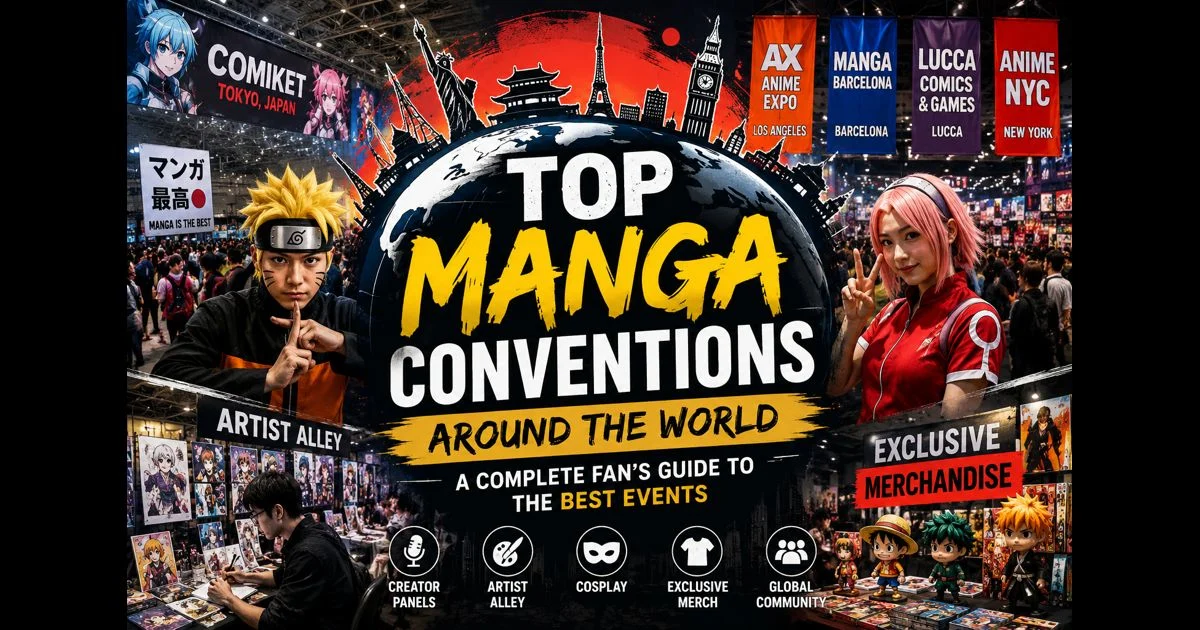
Conventions Strengthen Cultural Exchange
Manga conventions do more than celebrate popular series.
They bring together artists, publishers, translators, educators, collectors, and readers from around the world, creating opportunities for genuine cultural exchange.
Visitors often leave with more than merchandise.
They gain new perspectives on:
- Japanese publishing traditions.
- Illustration techniques.
- Storytelling methods.
- Independent creative industries.
- Language and translation.
- Cross-cultural collaboration.
- Emerging artists and publishers.
Many attendees also discover creators from countries outside Japan who have developed original works inspired by manga while incorporating elements of their own local cultures.
This exchange demonstrates how creative influence moves in multiple directions rather than flowing from a single source.
Tourism and Local Economies
Large manga events have become important contributors to tourism.
International visitors often travel specifically to attend major conventions, explore bookstores, visit museums, and experience locations connected to famous series.
This increased interest benefits many sectors, including:
- Hotels.
- Restaurants.
- Public transportation.
- Local retailers.
- Museums.
- Independent bookstores.
- Cultural attractions.
- Small creative businesses.
Some regions have even developed tourism initiatives celebrating manga history, encouraging visitors to experience both contemporary popular culture and traditional Japanese heritage.
As international travel becomes more accessible, manga-related tourism continues supporting local economies while strengthening cultural understanding.
Supporting Independent Creators
Although internationally recognized publishers receive significant attention, independent artists remain one of manga culture’s greatest strengths.
Many creators begin by publishing original comics through conventions, digital platforms, or small print runs before attracting wider audiences.
Supporting independent creators offers several important benefits.
Readers gain access to:
- Original storytelling.
- Diverse artistic styles.
- Experimental ideas.
- Personal interaction with creators.
- Limited-edition publications.
- Emerging creative voices.
For artists, direct reader support provides valuable opportunities to build sustainable careers while maintaining creative independence.
This relationship between creators and readers continues to shape manga’s future by encouraging innovation beyond mainstream publishing.
Manga and Social Conversations
Modern manga explores an extraordinary range of human experiences.
Rather than focusing exclusively on fantasy or adventure, many series examine topics that encourage thoughtful discussion and emotional understanding.
Depending on the story, readers may encounter themes such as:
- Personal identity.
- Friendship and belonging.
- Family relationships.
- Education.
- Professional ambitions.
- Mental resilience.
- Cultural traditions.
- Ethical decision-making.
By presenting these subjects through engaging characters and meaningful narratives, manga often encourages readers to consider different perspectives without relying on simplistic answers.
Its ability to balance entertainment with thoughtful storytelling contributes significantly to its lasting international appeal.
How Manga Inspires Future Creators
Many artists, writers, designers, and filmmakers identify manga as an early source of creative inspiration.
Reading manga often introduces aspiring creators to concepts such as visual pacing, character development, composition, and long-form storytelling.
As they develop their own skills, these creators frequently adapt those lessons into original work rather than simply imitating existing styles.
The influence can be seen across numerous creative professions:
- Graphic illustration.
- Animation.
- Graphic design.
- Game development.
- Storyboarding.
- Film production.
- Children’s publishing.
- Digital content creation.
This continuous cycle of inspiration ensures that manga remains a living artistic tradition rather than a fixed historical medium.
Why Manga Continues to Grow Internationally
Several factors explain manga’s continued global expansion.
First, readers appreciate stories that emphasize character development and emotional depth.
Second, official translations have become increasingly accessible through publishers serving international audiences.
Third, digital reading platforms allow readers to discover new series regardless of geographical location.
Finally, active fan communities introduce newcomers to manga through recommendations, educational content, conventions, and social media discussions.
Together, these developments have transformed manga into one of the world’s most influential creative industries.
Rather than replacing local storytelling traditions, manga has encouraged collaboration between cultures, inspiring creators to develop original works while respecting the artistic foundations that made Japanese comics internationally admired.
The Future of Manga in Global Pop Culture
Manga continues to evolve alongside changing technologies, reader expectations, and international publishing. While printed volumes remain an essential part of the reading experience, digital innovation is creating new opportunities for creators and audiences without replacing the strengths that made manga popular in the first place.
The next stage of manga’s growth will likely focus on making stories more accessible, supporting creative talent across different regions, and strengthening connections between readers and publishers.
Several developments are already shaping the future of the industry.
Digital Publishing Will Continue to Expand
Digital distribution has made manga more accessible than ever before.
Readers can legally discover new series within minutes, explore extensive libraries, and continue reading across multiple devices without relying entirely on physical bookstores.
Future improvements are expected to include:
- Faster international releases.
- Improved multilingual support.
- More accessible reading features.
- Better discovery tools based on reader interests.
- Enhanced digital collections for long-term readers.
- Stronger integration between print and digital editions.
Rather than replacing printed books, digital publishing is creating additional ways for readers to enjoy manga while helping publishers reach audiences worldwide.
Independent Creators Will Reach Larger Audiences
Technology has significantly lowered the barriers to publishing original work.
Artists no longer need to rely exclusively on traditional publishing routes to introduce their stories to readers. Many now build audiences through digital platforms, conventions, crowdfunding, and personal websites before pursuing commercial publication.
This shift encourages greater creative diversity by allowing fresh voices, artistic styles, and storytelling approaches to gain recognition.
For readers, it means access to an increasingly wide range of original content that complements established manga series.
International Collaboration Will Become More Common
As manga continues attracting readers across different regions, collaboration between creators from different cultural backgrounds is expected to grow.
Publishers, translators, editors, illustrators, and writers increasingly work together to bring stories to international audiences while preserving their original artistic identity.
These partnerships contribute to:
- Better localization.
- Higher translation quality.
- Wider international availability.
- Greater cultural understanding.
- Stronger creative exchange.
Rather than reducing cultural uniqueness, thoughtful collaboration helps readers appreciate stories within their original context while making them accessible to broader audiences.
Technology Will Support Creativity
New technologies are changing production workflows, but the foundation of manga remains human creativity.
Digital illustration software, cloud collaboration, advanced publishing tools, and workflow automation help artists and editorial teams improve efficiency. However, memorable characters, meaningful storytelling, and emotional depth continue to depend on creative decisions that technology alone cannot replace.
As new tools become more sophisticated, they are likely to assist creators by simplifying technical tasks while allowing more time to focus on writing, illustration, and artistic refinement.
Why Manga’s Global Influence Continues to Grow
The worldwide success of manga cannot be explained by popularity alone.
Its lasting influence comes from several qualities that remain relevant regardless of changing trends.
Readers continue returning to manga because it offers:
- Character-driven storytelling.
- Diverse genres for every interest.
- Long-term emotional investment.
- Distinctive visual expression.
- Opportunities to explore different cultures.
- Creative communities that welcome newcomers.
- Stories that balance entertainment with meaningful themes.
These strengths have allowed manga to remain influential across multiple generations while continuing to attract entirely new audiences.
Final Thoughts
Manga has grown from a national publishing tradition into one of the world’s most influential forms of visual storytelling.
Its impact extends far beyond comic books, shaping entertainment, fashion, education, publishing, digital media, visual arts, and creative communities across the globe. What makes this influence remarkable is not simply the popularity of individual series, but the way manga encourages imagination, cultural exchange, and meaningful human connection.
Readers are no longer limited by geography when discovering new stories. Artists collaborate across borders, publishers reach international audiences more efficiently, and fans contribute to thriving communities that celebrate creativity every day.
At the same time, manga continues to preserve the qualities that first earned worldwide admiration: compelling characters, carefully developed narratives, expressive artwork, and the ability to communicate universal emotions through distinctive visual storytelling.
As the industry continues evolving, its future will be shaped not only by technological innovation but also by the creativity of artists, the dedication of publishers, and the enthusiasm of readers who continue discovering new stories with every generation.
Whether someone is opening their very first manga volume or revisiting a lifelong favorite, the influence of manga on global pop culture is likely to remain both significant and enduring for years to come.
Frequently Asked Questions
How has manga influenced global pop culture?
Manga has influenced global pop culture by shaping storytelling techniques, inspiring animated and live-action productions, influencing fashion and visual arts, encouraging creative communities, and expanding the international appreciation of Japanese culture.
Why is manga popular outside Japan?
Its popularity comes from diverse genres, memorable characters, emotional storytelling, accessible translations, digital publishing, and active fan communities that introduce new readers to different series and creators.
Has manga changed the entertainment industry?
Yes. Manga has influenced animation, television, cinema, video games, publishing, and digital storytelling by demonstrating the value of long-form narratives, detailed world-building, and character-focused storytelling.
Does manga influence modern artists?
Many illustrators, designers, animators, and writers draw inspiration from manga’s visual composition, expressive artwork, pacing, and narrative techniques while creating original work in their own styles.
What role do manga communities play?
Communities help readers discover new series, support creators, organize events, share recommendations, and encourage discussions that strengthen the global appreciation of manga culture.
What is the future of manga worldwide?
The future of manga is expected to include broader international publishing, stronger support for independent creators, improved digital accessibility, closer global collaboration, and continued innovation while preserving the storytelling traditions that have made manga influential around the world.