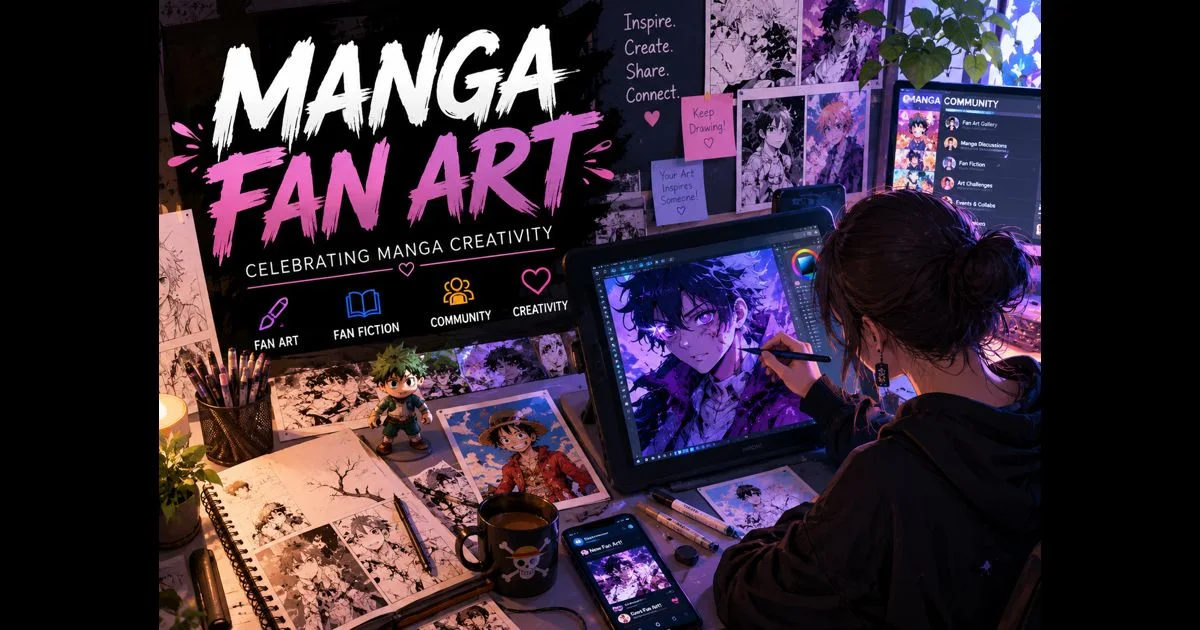
Manga fan art is far more than a tribute to a favorite series—it is a creative movement that connects artists, readers, and storytellers across the world. Every illustration, comic panel, animation, or reinterpretation adds a fresh perspective to characters and worlds that have inspired millions. Alongside fan fiction, manga fan art expands conversations beyond official chapters, encouraging fans to imagine alternate timelines, explore untold relationships, and celebrate the stories they love through their own artistic voices.
From hand-drawn sketches and watercolor illustrations to polished digital paintings and collaborative fan comics, manga fan art has become one of the most recognizable forms of fan expression. Modern platforms allow creators to instantly share their work, receive constructive feedback, collaborate with other artists, and build dedicated communities around shared interests. Whether someone is recreating iconic scenes, designing alternate costumes, or creating original stories inspired by established universes, fan art continues to strengthen the global manga community.
This guide explores the history of manga fan art, popular artistic styles, sharing platforms, copyright considerations, collaboration opportunities, cultural influences, and the technologies shaping the future of fan creativity. Whether you’re an aspiring illustrator or simply appreciate the incredible talent within fandoms, understanding this creative ecosystem offers valuable insight into one of manga culture’s most vibrant traditions.
Understanding Manga Fan Art
What Is Manga Fan Art?
Manga fan art refers to artwork created by fans based on existing manga series, characters, settings, or themes. Rather than producing official content, artists reinterpret familiar worlds through their own artistic style, imagination, and emotional connection to the source material.
Unlike simple copies, fan art often introduces original concepts while remaining recognizable. Artists may create:
- Character portraits
- Action illustrations
- Alternate universe (AU) concepts
- Seasonal artwork
- Original costumes
- Crossover illustrations
- Short fan comics
- Humor-based sketches
- Emotional character studies
- Concept redesigns
Fan art exists across virtually every manga genre, including shonen, shojo, seinen, josei, fantasy, horror, romance, science fiction, sports, and slice-of-life.
For many creators, fan art serves as both creative practice and personal expression. Drawing beloved characters helps artists improve anatomy, composition, lighting, storytelling, and visual design while enjoying subjects they genuinely love.
The History of Manga Fan Art
The roots of manga fan art stretch back decades alongside Japan’s thriving doujin culture. Independent artists began creating unofficial comics, illustrations, and magazines inspired by popular manga long before digital publishing existed.
Creators often formed small groups known as doujin circles, printing limited copies of their work to distribute at conventions and local events. These independently published books included:
- Alternative storylines
- Character-focused side stories
- Comedy collections
- Romance interpretations
- Original stories inspired by existing worlds
This grassroots creative movement eventually became one of Japan’s largest fan-driven artistic traditions.
As personal computers, scanners, graphic tablets, and the internet became widely available, manga fan art expanded far beyond physical conventions. Artists could instantly upload illustrations, connect with international audiences, and participate in global fandoms without geographic limitations.
Today’s fan artists use powerful digital tools while continuing the collaborative spirit established by earlier generations.
Why Fan Art Matters to the Manga Community
Fan art keeps manga communities active long after readers finish a chapter or complete a series. New artwork sparks discussion, encourages theory crafting, celebrates memorable moments, and keeps enthusiasm alive between official releases.
Its impact reaches far beyond entertainment.
Fan art helps:
- Introduce newcomers to manga series
- Inspire aspiring artists
- Encourage creative experimentation
- Strengthen online communities
- Preserve interest in older series
- Build friendships between fans
- Promote artistic growth through shared feedback
Many professional manga artists, illustrators, and game designers originally developed their skills by creating fan art before moving into original commercial work.
Because familiar characters reduce the pressure of inventing entirely new concepts, artists can focus on improving drawing fundamentals such as anatomy, perspective, facial expressions, movement, composition, and lighting.
Fan Art as Creative Storytelling
Illustrations rarely exist in isolation.
Many fan artists tell stories through sequences of images, mini comics, or collaborations with fan fiction writers. A single drawing can capture emotions never shown in the original manga, imagine alternate endings, or explore relationships only hinted at within canon.
Common storytelling approaches include:
- Missing scenes between chapters
- Future timelines
- Childhood memories
- Character redesigns
- Alternate realities
- Fantasy reinterpretations
- Historical settings
- Modern-day adaptations
- Emotional epilogues
- Original supporting characters
These creative explorations allow fans to participate actively in storytelling instead of remaining passive readers.
Rather than replacing official narratives, fan creations expand discussions and inspire countless new artistic interpretations.
Popular Styles and Techniques
Digital Manga Illustration
Digital illustration has become the preferred workflow for many manga fan artists due to its flexibility, speed, and accessibility.
Modern software offers specialized tools designed specifically for manga production, including customizable brushes, screentones, perspective rulers, vector linework, speech bubbles, and panel creation tools.
Popular digital applications include:
- Clip Studio Paint
- Procreate
- Adobe Photoshop
- Krita
- Paint Tool SAI
- ibis Paint X
Artists typically build illustrations through multiple layers, making it easier to edit colors, lighting, effects, backgrounds, and character details without damaging previous work.
Digital workflows also simplify publishing by allowing creators to export artwork in formats optimized for social media, web galleries, printing, and portfolio websites.
Traditional Manga Art Techniques
Despite digital advancements, traditional manga illustration remains highly respected for its expressive qualities and handcrafted appearance.
Many artists continue working with:
- Dip pens
- India ink
- Mechanical pencils
- Bristol paper
- Copic markers
- Watercolors
- Alcohol markers
- Ink wash techniques
- Screentone sheets
Traditional media naturally produce subtle textures, varied line weights, and imperfections that many readers associate with classic manga aesthetics.
Some professionals combine both workflows by drawing and inking on paper before scanning artwork into digital software for coloring, cleanup, lettering, and publishing.
This hybrid process preserves organic line quality while benefiting from modern editing tools.
Common Styles Found in Manga Fan Art
One of the most exciting aspects of manga fan art is the diversity of artistic styles. While many creators stay close to the original manga, others reinterpret characters in completely new ways while preserving their personality and recognizable features.
Popular styles include:
Chibi Art
Chibi artwork exaggerates proportions by giving characters oversized heads, expressive faces, and compact bodies. This style is widely used for comedy, merchandise, stickers, emojis, and lighthearted illustrations.
Shonen Action Style
Inspired by action-heavy manga, this style emphasizes:
- Dynamic poses
- Dramatic perspective
- Speed lines
- Explosive effects
- Powerful facial expressions
- High-energy compositions
Artists often study martial arts poses and cinematic camera angles to create believable movement.
Shojo Illustration Style
Shojo-inspired fan art focuses on emotion and elegance.
Common characteristics include:
- Large expressive eyes
- Soft lighting
- Delicate line work
- Floral backgrounds
- Romantic color palettes
- Emotional body language
This style places greater emphasis on atmosphere than action.
Realistic Interpretations
Some artists redesign manga characters using realistic anatomy, lighting, clothing textures, and facial proportions while maintaining their iconic identity.
These illustrations often blend manga aesthetics with fine art techniques.
Retro Manga Style
Many artists recreate the visual language of classic manga from the 1970s, 1980s, and 1990s by using:
- Bold black shadows
- Traditional screentones
- Vintage hairstyles
- Thick outlines
- Classic panel layouts
Retro-inspired artwork continues to enjoy strong popularity among longtime manga fans.
Experimental Styles
Creative artists frequently combine manga with other artistic influences, producing unique interpretations such as:
- Watercolor manga
- Oil painting effects
- Minimalist line art
- Pixel art
- Pop art
- Vaporwave aesthetics
- Cyberpunk themes
- Gothic illustrations
- Fantasy realism
These hybrid styles demonstrate how manga continues evolving through individual creativity.
Platforms for Sharing and Discovering Fan Art
Publishing artwork online has become an essential part of the fan art experience. Beyond showcasing finished illustrations, online platforms allow artists to build audiences, receive constructive criticism, collaborate with others, and participate in global fandom events.
Different platforms serve different purposes, and understanding their strengths helps artists reach the right audience.
Pixiv
Pixiv remains one of the world’s largest communities dedicated to manga and anime artwork.
Its features include:
- Advanced tagging systems
- Series-specific galleries
- Daily rankings
- Artist portfolios
- Manga publishing tools
- Bookmark collections
Because many Japanese artists actively use Pixiv, it offers valuable exposure to both domestic and international audiences.
DeviantArt
DeviantArt has supported digital artists for decades and continues to provide a home for fan art across countless fandoms.
Artists can:
- Publish high-resolution artwork
- Receive detailed critiques
- Join interest groups
- Share tutorials
- Sell prints
- Build long-term portfolios
Its community encourages artistic growth through constructive feedback rather than simple likes.
Instagram emphasizes visual presentation through:
- Image carousels
- Reels
- Stories
- Live streams
- Timelapse videos
Artists often share work-in-progress updates alongside finished illustrations to engage followers and demonstrate their creative process.
Consistent posting, thoughtful captions, and effective hashtags improve discoverability.
Tumblr
Tumblr remains highly influential within manga and anime fandoms.
Unlike many social platforms, Tumblr encourages content sharing through reblogs, allowing exceptional artwork to circulate for years after publication.
Artists frequently use Tumblr for:
- Fan comics
- Character analyses
- Alternate universe concepts
- Multi-image storytelling
- Collaborative fandom projects
Its community-driven culture rewards creativity over algorithms.
X (Formerly Twitter)
X enables artists to share illustrations quickly while participating in trending conversations.
Many creators post:
- Daily sketches
- Event artwork
- Challenge entries
- Progress updates
- Speedpaint videos
- Convention announcements
Threads allow artists to group related illustrations into cohesive collections.
Reddit hosts thousands of fandom-specific communities where artists can share work with highly engaged audiences.
Many subreddits organize:
- Weekly drawing prompts
- Monthly competitions
- Artist feedback sessions
- Collaboration opportunities
- Recommendation threads
Constructive discussion often provides valuable insight for improving future artwork.
Discord Communities
Discord has become one of the most important platforms for artist collaboration.
Dedicated servers frequently include:
- Live drawing sessions
- Critique channels
- Resource libraries
- Tutorial sharing
- Commission advice
- Portfolio reviews
- Event planning
- Community challenges
Because conversations happen in real time, Discord creates stronger personal connections than traditional social media.
Social Media’s Influence on Fan Art
Social media has dramatically changed how fan artists build audiences.
Instead of waiting for conventions or printed publications, creators can instantly reach thousands—or even millions—of readers worldwide.
Several factors influence online visibility:
- Consistent posting schedules
- High-quality thumbnails
- Relevant hashtags
- Accessible alt text
- Engaging captions
- Timelapse videos
- Process breakdowns
- Community participation
However, visibility should not become the only measure of success.
Artists who actively support others, participate in discussions, and contribute positively to communities often build stronger long-term reputations than those focused solely on follower counts.
Meaningful engagement encourages collaboration, learning, and lasting creative relationships that extend well beyond individual viral posts.
Legal and Ethical Considerations
Creating manga fan art is a rewarding form of creative expression, but artists should also understand the legal and ethical responsibilities that come with producing derivative works. Respecting original creators, following platform guidelines, and being transparent about the nature of fan-made content helps maintain a healthy relationship between fans and the industries that inspire them.
Understanding Copyright and Fan Art
In most countries, the copyright to manga characters, artwork, stories, and settings belongs to the original creator or publisher. Because fan art is based on existing intellectual property, it generally falls under the category of derivative works.
Although many publishers tolerate non-commercial fan creations, permission policies differ significantly between companies and regions.
Before selling or distributing fan art, artists should research:
- Official fan content policies
- Publisher guidelines
- Convention rules
- Local copyright laws
- Commercial licensing restrictions
Some publishers actively encourage fan participation through official contests and community events, while others prohibit commercial use of their intellectual property.
Understanding these differences helps artists avoid unnecessary legal issues.
Selling Fan Art Responsibly
Many artists eventually wish to monetize their work through prints, stickers, keychains, commissions, or convention booths.
Before doing so, consider the following practices:
- Review the rights holder’s commercial policy.
- Avoid reproducing official logos or trademarks.
- Clearly identify artwork as unofficial fan-created content.
- Respect takedown requests if they occur.
- Keep accurate records of commissioned work.
Some conventions also maintain their own rules regarding fan merchandise, making it important to review event policies before participating.
Respecting Original Creators
Healthy fan communities are built on appreciation rather than imitation.
Responsible artists generally:
- Credit original series and creators.
- Avoid claiming official status.
- Link to official releases when appropriate.
- Encourage readers to support licensed publications.
- Respect creator requests regarding fan works.
Supporting official manga releases helps ensure creators can continue producing new stories while fans enjoy expressing their admiration through artwork.
Ethical Use of References and Resources
Most artists rely on references while learning, but references should be used responsibly.
Good practices include:
- Studying poses instead of tracing them.
- Using licensed brushes and textures.
- Following attribution requirements.
- Respecting stock image licenses.
- Asking permission before heavily referencing another artist’s original composition.
Learning from existing work strengthens artistic skills, while copying another creator’s unique interpretation without permission can damage trust within the community.
AI and Modern Creative Ethics
Artificial intelligence has introduced new discussions within the fan art world.
Many artists use AI-assisted tools for supportive tasks such as:
- Color palette exploration
- Perspective guides
- Composition planning
- Background references
- Brainstorming concepts
However, many creative communities discourage using AI to imitate living artists or generate work that closely replicates another person’s unique style without consent.
Being transparent about creative workflows and respecting community expectations helps maintain credibility and trust.
Community and Collaboration
One of manga fan art’s greatest strengths is the supportive community surrounding it. Artists rarely improve in isolation. Feedback, shared experiences, collaborative projects, and creative friendships all contribute to long-term artistic growth.
Whether participating in a small Discord server or contributing to a large international event, community involvement often becomes just as valuable as technical practice.
Learning Through Community
Online communities provide opportunities to learn from artists with varying skill levels.
Many communities organize:
- Weekly drawing challenges
- Character prompt events
- Live critique sessions
- Portfolio reviews
- Educational workshops
- Drawing streams
- Skill-sharing discussions
Constructive feedback helps artists identify weaknesses that may be difficult to notice independently.
Supportive communities also encourage consistency by motivating members to continue creating even during periods of creative burnout.
Collaborative Creative Projects
Fan art frequently evolves into collaborative works involving multiple creators.
Popular collaborations include:
- Art trades
- Lineart collaborations
- Fan comic projects
- Illustration exchanges
- Character redesign challenges
- Theme-based collections
- Charity art books
- Community calendars
These projects expose artists to new techniques while strengthening relationships across fandoms.
Working with others also develops practical skills such as communication, organization, meeting deadlines, and adapting to shared creative goals.
Zines and Fan Publications
Fan-created zines remain one of the most respected collaborative traditions within manga communities.
A zine typically brings together writers, illustrators, designers, and editors around a common theme or series.
Participants gain experience with:
- Editorial workflows
- Print preparation
- File organization
- Layout design
- Team communication
- Production schedules
Many professional illustrators credit early zine participation as an important stepping stone in building their portfolios and networking with fellow creators.
Building a Positive Creative Reputation
Success within fan communities is influenced by more than artistic ability.
Artists who consistently demonstrate professionalism often become trusted collaborators.
Positive habits include:
- Responding respectfully to feedback
- Crediting collaborators
- Meeting project deadlines
- Following community rules
- Supporting fellow artists
- Sharing helpful resources
- Maintaining constructive discussions
A reputation built on kindness and reliability often leads to long-term creative opportunities that extend beyond individual fandoms.
Fan Art as a Form of Cultural Exchange
Manga fan art connects creators from different countries through a shared appreciation for storytelling and visual expression. While artists may come from diverse cultural backgrounds, their interpretations often introduce fresh perspectives that enrich the global manga community.
Creating fan art frequently encourages artists to research Japanese traditions, clothing, architecture, customs, language, and seasonal events to represent characters more accurately. This process promotes learning while deepening respect for the culture that inspired the original work.
At the same time, artists naturally incorporate elements from their own experiences, producing artwork that blends manga aesthetics with local traditions and artistic influences.
Examples include:
- Traditional clothing adapted to manga characters
- Local festivals reimagined with popular series
- Regional architecture as background settings
- Cultural symbolism integrated into original compositions
- Contemporary fashion inspired by different countries
When approached thoughtfully and respectfully, these creative adaptations encourage meaningful cultural appreciation rather than simple imitation.
Global Trends Shaping Modern Fan Art
The internet has accelerated the exchange of artistic ideas across the world.
Modern fan artists regularly draw inspiration from:
- Webtoon storytelling techniques
- Western comic illustration
- Animation production methods
- Contemporary digital painting
- Fashion photography
- Streetwear culture
- Gaming concept art
- Graphic design trends
As a result, today’s manga fan art often combines traditional manga principles with influences from multiple creative industries.
Rather than producing a single universal style, this constant exchange has created an incredibly diverse artistic landscape where individual voices continue to flourish.
The Future of Manga Fan Art
Technology continues to reshape how artists create, collaborate, and share their work.
New tools make technical workflows more efficient while allowing creators to spend more time developing storytelling, composition, and artistic expression.
Emerging technologies include:
- Advanced drawing tablets
- Cloud-based creative workflows
- Real-time collaborative canvases
- 3D pose reference software
- Virtual reality sculpting tools
- Motion reference applications
- Improved brush simulation engines
- Mobile illustration studios
These innovations simplify production without replacing the importance of artistic fundamentals such as anatomy, perspective, lighting, composition, and visual storytelling.
Artists who continuously strengthen these core skills remain adaptable regardless of how technology evolves.
The Growing Relationship Between Fans and Professionals
The relationship between fan artists and professional creators has become increasingly collaborative.
Many publishers, studios, and manga creators now recognize fan communities as valuable contributors to long-term audience engagement.
Examples include:
- Official fan art contests
- Community showcases
- Social media spotlights
- Anniversary illustration campaigns
- Convention exhibitions
- Collaborative promotional events
Exceptional fan artists are occasionally recruited for professional opportunities, including licensed artwork, promotional illustrations, cover designs, concept art, and assistant positions.
These success stories demonstrate that consistent practice, professionalism, and community involvement can create pathways into the creative industry.
Wrap-Up: Keep Creating and Sharing
Manga fan art continues to thrive because it is built on creativity, passion, and community. Every illustration, comic, redesign, or collaborative project represents another way fans celebrate the stories that inspire them while developing their own artistic voice.
Throughout this guide, we’ve explored how manga fan art evolved from Japan’s doujin culture into a global creative movement; examined the wide range of artistic styles, traditional and digital techniques, and popular sharing platforms; discussed the importance of copyright awareness, ethical practices, and respect for original creators; highlighted how supportive communities, collaborative projects, and fan publications accelerate artistic growth; explored the role of cultural exchange in expanding creative perspectives; and examined how emerging technologies continue to transform artistic workflows without replacing the importance of fundamental drawing skills.
Whether you’re creating your first sketch or refining a professional portfolio, every finished piece contributes to your growth as an artist. Improvement comes through consistency, experimentation, constructive feedback, and genuine enthusiasm for learning.
Share your work thoughtfully, credit your inspirations, engage positively with fellow creators, and continue exploring new techniques. Participate in drawing challenges, contribute to collaborative projects, or join artist communities that encourage creativity and learning. Every illustration is another opportunity to strengthen your skills, connect with other fans, and celebrate the incredible world of manga through your own unique perspective.
Frequently Asked Questions
What is manga fan art?
Manga fan art is artwork created by fans that features characters, locations, or themes from existing manga series. Artists often reinterpret official content through their own style while celebrating the stories they enjoy.
Is creating manga fan art legal?
Creating fan art is generally accepted within many fan communities, but copyright laws differ between countries and publishers. Non-commercial artwork is often tolerated, while selling fan art may require additional consideration of copyright policies and official guidelines.
How can beginners improve their manga fan art?
Beginners can improve by practicing regularly, studying anatomy and perspective, learning composition, observing professional manga artwork, participating in drawing challenges, and seeking constructive feedback from supportive art communities.
Which software is best for manga fan art?
Popular illustration software includes Clip Studio Paint, Procreate, Adobe Photoshop, Krita, Paint Tool SAI, and ibis Paint X. The best choice depends on your preferred workflow, device, budget, and artistic goals.
Where should I share my manga fan art?
Many artists share their work on Pixiv, DeviantArt, Instagram, Tumblr, X, Reddit, Discord communities, and personal portfolio websites. Each platform offers different opportunities for exposure, feedback, and collaboration.
Can fan art lead to a professional art career?
Yes. Many professional illustrators, manga assistants, concept artists, and comic creators began by producing fan art. Consistent practice, portfolio development, community involvement, and original creative work can help open opportunities within the art and publishing industries.