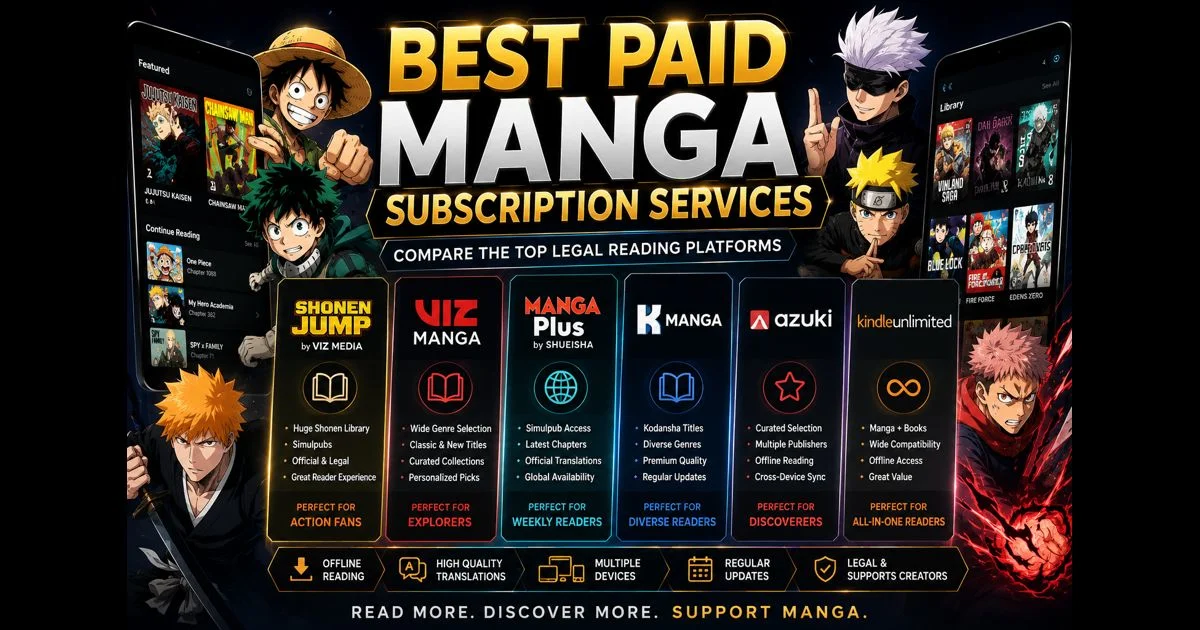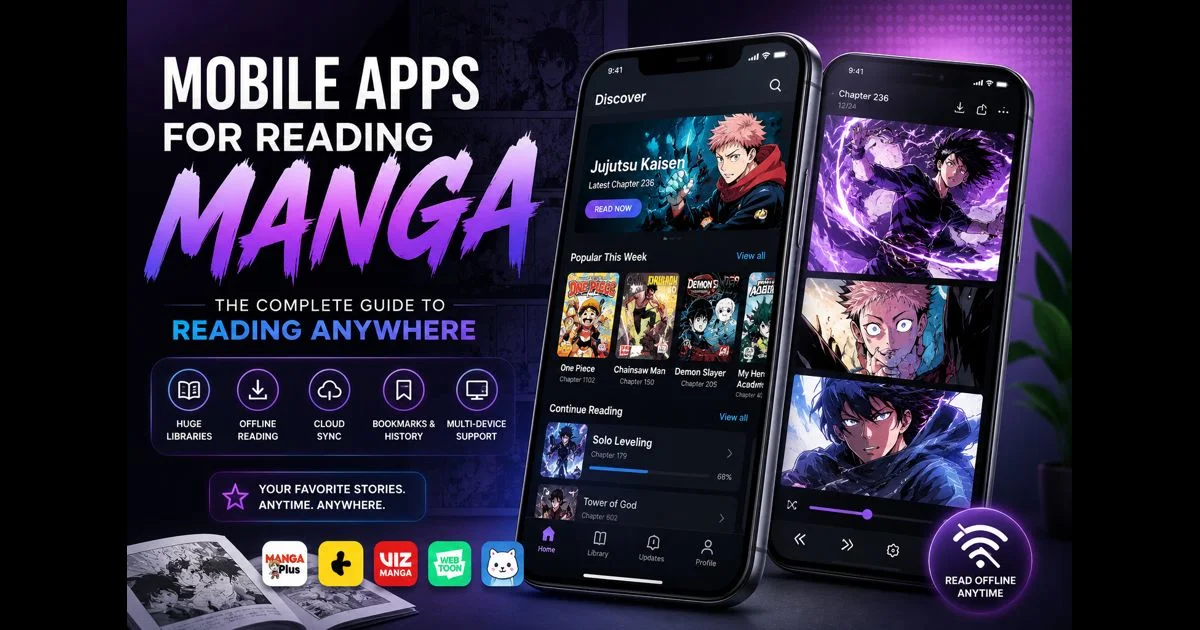
Reading manga has become more convenient than ever. Instead of carrying printed volumes or waiting until you’re home, readers can now enjoy entire series from a smartphone or tablet wherever they are. Whether commuting to work, traveling, relaxing during a break, or reading before bed, modern manga apps make it possible to continue your favorite stories with only a few taps.
The growth of official digital platforms has also changed how international audiences discover manga. New chapters often become available shortly after their original Japanese release, while extensive digital libraries allow readers to explore thousands of classic and contemporary titles without needing physical shelf space.
However, not every manga app offers the same experience. Some focus on weekly chapter releases, others specialize in complete digital collections, while certain platforms emphasize offline reading, personalized recommendations, or publisher-exclusive content.
This guide explores the features that matter most, compares leading mobile manga apps, explains the advantages of different reading models, and helps you choose a platform that matches your reading habits.
Why Mobile Manga Reading Has Become So Popular
Smartphones have transformed digital reading by making manga accessible almost anywhere.
Instead of planning time specifically for reading, many people now enjoy a few chapters during short breaks throughout the day.
Mobile apps have made this possible through:
- Instant access to large libraries.
- Automatic reading progress synchronization.
- Fast chapter updates.
- Offline downloads.
- Personalized recommendations.
- High-quality digital artwork.
These improvements have encouraged both longtime fans and completely new readers to embrace digital manga.
The Shift Toward Official Digital Platforms
The availability of licensed digital services has significantly improved the overall reading experience.
Rather than relying on scattered sources, readers can now access professionally translated chapters through official publisher-supported platforms.
Official services generally provide:
- Reliable translations.
- High-resolution artwork.
- Consistent updates.
- Better reading performance.
- Secure user accounts.
- Support for creators and publishers.
Choosing legitimate platforms also helps sustain the manga industry while giving readers access to better overall quality.
Essential Features Every Manga App Should Offer
The best reading experience depends on more than simply having a large catalog.
A well-designed application should make reading comfortable, intuitive, and enjoyable regardless of the device being used.
Important features include:
- Simple navigation.
- Fast loading speeds.
- Smooth page transitions.
- Clear image quality.
- Reading history.
- Bookmark support.
- Personalized libraries.
- Cross-device synchronization.
These core functions help readers spend less time searching and more time enjoying their favorite series.
A Clean Interface Makes Reading Easier
An attractive interface should never distract from the story itself.
The strongest manga apps organize content logically, allowing users to quickly continue reading, discover new titles, and manage their personal collections.
A thoughtful interface usually includes:
- Clear home screen organization.
- Easy search tools.
- Genre filters.
- Reading history.
- Favorite collections.
- Continue Reading sections.
- Recently updated series.
- Personalized recommendations.
Simple navigation becomes especially valuable for readers following multiple ongoing series.
Offline Reading Is More Important Than Ever
Internet access isn’t always available.
Whether traveling, commuting, or saving mobile data, offline reading remains one of the most valuable features offered by modern manga applications.
Good offline functionality should allow readers to:
- Download multiple chapters.
- Manage storage easily.
- Remove finished downloads.
- Resume reading without reconnecting.
- Organize downloaded series.
This flexibility allows uninterrupted reading regardless of network availability.
Device Synchronization Improves the Experience
Many readers switch between multiple devices throughout the day.
For example, someone might begin reading on a phone during lunch and continue later on a tablet at home.
Cloud synchronization makes this seamless by automatically saving:
- Current chapter.
- Reading position.
- Bookmarks.
- Favorites.
- Reading history.
- Download status.
Without synchronization, managing longer series quickly becomes inconvenient.
Personal Libraries Help Readers Stay Organized
As manga collections grow, organization becomes increasingly important.
Instead of endlessly scrolling through hundreds of titles, readers benefit from customizable libraries.
Useful organizational tools include:
- Reading lists.
- Completed series.
- Currently reading.
- Favorites.
- Wish lists.
- Genre collections.
- Author collections.
- Recently added titles.
These features simplify collection management while making it easier to discover forgotten series worth continuing.
Reading Customization Improves Comfort
Every reader has different preferences.
Some enjoy viewing complete pages, while others prefer guided panel-by-panel reading on smaller screens.
Quality manga apps typically provide several customization options, including:
- Brightness adjustment.
- Dark mode.
- Reading orientation.
- Zoom controls.
- Double-page viewing.
- Font scaling where applicable.
- Gesture navigation.
- Screen rotation options.
These settings allow readers to tailor the experience to different environments, whether reading outdoors in bright sunlight or indoors late at night.
The Best Mobile Apps for Reading Manga
The ideal manga app depends on how you prefer to read.
Some readers want immediate access to newly released chapters, while others prefer collecting complete digital volumes or exploring large libraries across multiple publishers.
Understanding each platform’s strengths makes choosing the right app much easier.
Publisher Apps
Publisher-operated applications focus primarily on officially licensed series from their own catalogs.
These platforms usually provide the fastest access to newly released chapters while maintaining high translation quality.
Advantages often include:
- Official releases.
- Reliable updates.
- Publisher-supported translations.
- Consistent image quality.
- Curated recommendations.
- Early chapter availability.
Publisher apps are especially useful for readers who actively follow ongoing series.
Multi-Publisher Digital Stores
Unlike publisher-specific services, digital bookstores offer manga from many different publishers in one place.
These platforms allow readers to build permanent digital collections while exploring a broader selection of genres.
Benefits commonly include:
- Wider publisher coverage.
- Permanent purchases.
- Large digital libraries.
- Cross-device access.
- Frequent promotions.
- Long-term collections.
They work particularly well for readers who enjoy revisiting completed series.
Subscription-Based Reading Services
Subscription platforms provide ongoing access to extensive catalogs for a recurring monthly fee.
Rather than purchasing individual volumes, subscribers can explore many different series under one membership.
These services are ideal for readers who:
- Read regularly.
- Follow multiple series.
- Enjoy discovering new titles.
- Prefer digital libraries.
- Explore different genres.
However, available titles may change over time depending on licensing agreements.
Purchasing Individual Digital Volumes
Some readers prefer owning their favorite manga permanently.
Buying digital volumes allows continued access regardless of subscription status.
This approach works well for:
- Favorite series.
- Collector editions.
- Long-term rereading.
- Supporting specific creators.
- Building permanent libraries.
Many experienced readers combine subscriptions with individual purchases for maximum flexibility.
Choosing the Right App for Your Reading Style
There is no universally perfect manga application.
Instead, selecting the right platform depends on your personal reading habits.
Consider the following questions:
- Do you mostly read ongoing series?
- Do you enjoy completed stories?
- How often do you read each week?
- Do you collect digital volumes?
- Is offline reading important?
- Do you switch between devices?
Answering these questions usually narrows the available choices significantly.
Reading Performance Matters
Even the largest library becomes frustrating if the reading experience feels slow or unreliable.
A high-quality manga reader should provide smooth performance without interrupting immersion.
Look for apps that offer:
- Fast page loading.
- Crisp artwork.
- Responsive controls.
- Stable performance.
- Smooth navigation.
- Reliable downloads.
Performance becomes increasingly important during longer reading sessions.
Discovering New Manga
One overlooked benefit of modern reading apps is content discovery.
Instead of manually searching for new series, intelligent recommendation systems introduce readers to titles that match their interests.
Many applications recommend manga based on:
- Reading history.
- Favorite genres.
- Recently completed series.
- Popular releases.
- Similar authors.
- Community trends.
These recommendations often become the easiest way to discover new long-term favorites.
Free vs Paid Manga Apps
Both free and paid services provide valuable experiences.
The better option depends on how frequently you read.
Benefits of Free Apps
Free services are ideal for:
- New readers.
- Casual reading.
- Sampling different series.
- Exploring unfamiliar genres.
- Testing new platforms.
Many official services provide selected chapters at no cost, making them excellent starting points.
Benefits of Paid Apps
Readers who consume manga regularly often benefit more from premium memberships.
Paid services generally provide:
- Larger libraries.
- Fewer restrictions.
- Better offline support.
- Faster chapter access.
- More consistent reading experience.
- Additional convenience features.
For frequent readers, the value often extends beyond simple cost savings.
Combining Multiple Apps
Many experienced manga readers use more than one application.
For example:
- One platform for weekly chapter releases.
- Another for permanent digital purchases.
- A third for discovering independent or lesser-known works.
This approach provides greater flexibility while reducing limitations created by publisher-exclusive catalogs.
Rather than depending entirely on one ecosystem, readers gain access to a much broader selection of manga.
Why User Reviews Matter
Before installing any manga app, it’s worth looking beyond promotional descriptions.
Real users often highlight strengths and weaknesses that official feature lists never mention.
Community feedback can reveal information about:
- App stability.
- Reading performance.
- Update frequency.
- Download reliability.
- Subscription value.
- Customer support.
- Interface usability.
- Recent improvements.
Reading multiple recent reviews provides a much clearer picture than relying on ratings alone.
Where to Find Reliable Recommendations
Not every review reflects the typical user experience.
Looking at several trusted sources helps readers make better decisions.
Useful places for research include:
- Official app stores.
- Manga communities.
- Reader discussion forums.
- Publisher announcements.
- Technology review websites.
- Long-term user comparisons.
Comparing opinions from multiple sources helps separate temporary issues from long-term strengths.
Building a Consistent Reading Habit
Having a good app is only part of the experience.
Creating a simple reading routine makes it easier to enjoy manga regularly without feeling overwhelmed by an ever-growing backlog.
Many readers find success by:
- Reading during commutes.
- Setting aside evening reading time.
- Finishing one chapter before bed.
- Exploring new series each weekend.
- Alternating long and short series.
Even fifteen minutes of reading each day can quickly add up over time.
Organizing Your Reading List
Following multiple ongoing series becomes much easier with a little organization.
Instead of relying on memory, consider maintaining separate reading categories.
Useful collections include:
- Currently Reading.
- Completed.
- Plan to Read.
- Favorites.
- On Hold.
- Waiting for New Chapters.
A well-organized library helps readers spend more time enjoying stories and less time searching for where they left off.
Managing Large Manga Libraries
As digital collections grow, maintaining organization becomes increasingly important.
Simple habits can keep even extensive libraries manageable.
Helpful practices include:
- Removing unfinished trials that no longer interest you.
- Updating reading progress regularly.
- Creating genre-based collections.
- Archiving completed series.
- Reviewing recommendations periodically.
These small adjustments make discovering your next read much easier.
Reading Comfort Matters
Long reading sessions should remain enjoyable rather than tiring.
Most modern apps include features that improve comfort across different environments.
Consider adjusting:
- Screen brightness.
- Dark mode.
- Reading orientation.
- Zoom preferences.
- Font scaling where supported.
- Download quality settings.
Finding comfortable settings can significantly improve extended reading sessions.
Technology Is Changing Digital Manga
Digital publishing continues evolving as reading technology improves.
While the core experience of reading manga remains unchanged, supporting features continue becoming more sophisticated.
Modern platforms increasingly focus on:
- Faster content delivery.
- Better image optimization.
- Improved accessibility.
- Smarter recommendations.
- Cross-platform synchronization.
- Personalized reading experiences.
These improvements enhance convenience without changing the storytelling itself.
Artificial Intelligence and Manga Apps
Artificial intelligence is beginning to assist certain publishing workflows.
When used responsibly, AI may help improve processes such as:
- Search functionality.
- Recommendation systems.
- Library organization.
- Translation assistance under human editorial review.
- Reading personalization.
However, professional editors, translators, and creators remain essential for preserving the quality, nuance, and artistic integrity of official manga releases.
What Readers Can Expect in the Future
As mobile technology advances, manga reading platforms will likely continue improving in several areas.
Future developments may include:
- Larger licensed libraries.
- Better multilingual support.
- Faster worldwide releases.
- Enhanced accessibility features.
- More personalized recommendations.
- Improved synchronization across devices.
- Smarter offline management.
Rather than dramatically changing how manga is read, these improvements aim to make digital reading more convenient and enjoyable.
Final Thoughts
Mobile manga apps have transformed the way readers discover, follow, and enjoy Japanese comics. Whether you prefer reading a few chapters during your daily commute or spending entire weekends immersed in long-running series, there is now a platform suited to nearly every reading style.
The best app isn’t necessarily the one with the largest catalog or the lowest subscription price. Instead, it’s the one that matches your personal habits, favorite genres, preferred devices, and reading frequency.
Before committing to any service, explore free previews, compare available libraries, and consider which features matter most to you. A combination of reliable performance, quality translations, offline reading, and an organized library often provides the most satisfying long-term experience.
As official digital publishing continues to grow, mobile manga apps will remain one of the easiest and most accessible ways to discover new stories while supporting the creators and publishers behind them.
Frequently Asked Questions
What is the best app for reading manga?
There is no single best app for everyone. The ideal choice depends on your favorite publishers, preferred genres, reading habits, and whether you prefer subscriptions or purchasing individual volumes.
Can I read manga offline?
Many official manga apps allow subscribers or purchasers to download chapters for offline reading. Available features vary between platforms.
Are free manga apps worth using?
Yes. Official free services are excellent for discovering new series and reading selected chapters. Frequent readers may benefit from upgrading to paid options for larger libraries and additional features.
Should I use more than one manga app?
Many readers do. Using multiple apps can provide access to different publishers, broader libraries, and a wider variety of series.
Do manga apps work across multiple devices?
Most official platforms support synchronization between supported devices, allowing readers to continue where they left off after signing into the same account.
Why should I choose official manga apps?
Official platforms provide licensed content, professional translations, reliable updates, better image quality, and directly support the creators, publishers, and translators who produce the manga you enjoy.