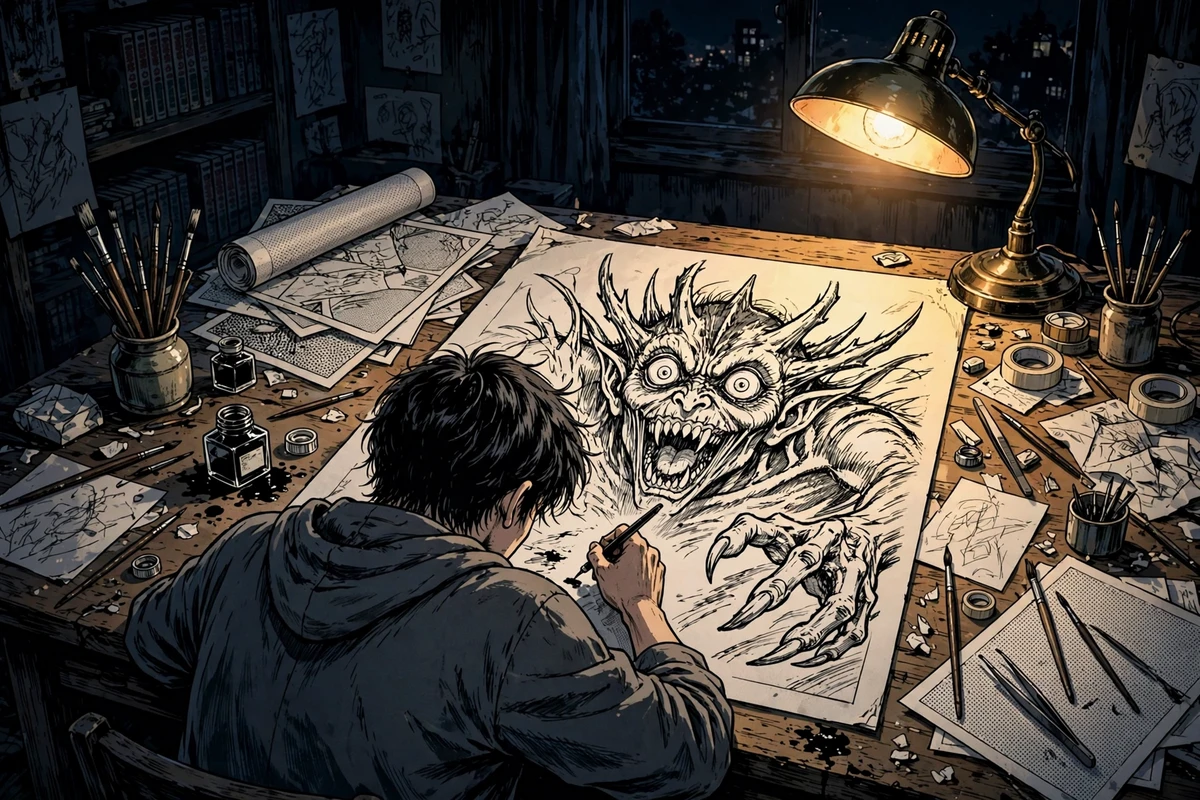
A horror manga artist is a storyteller who works in ink and shadow. Where a novelist builds dread with sentences, this kind of creator builds it with a brush, a pen nib and the white space between panels — a single twisted face, a corridor that goes on one panel too long, a page turn that lands on something no reader was ready to see.
Horror manga is one of Japan’s most distinctive art forms, and the people who make it are among the most technically skilled cartoonists alive. They must do everything a great manga artist does — design characters, stage action, control the rhythm of a story — and then do something harder: make the reader afraid of a drawing. This guide explains what a horror manga artist actually does, how the craft works, who the masters are, and where a new reader should begin. If you are new to the genre, our complete horror manga guide is a good companion to this article.
What Is a Horror Manga Artist?
A horror manga artist is a manga creator who specialises in stories designed to frighten, unsettle or disturb the reader. The job covers the whole process: writing the story, sketching the page layouts, pencilling the figures, inking the final art, applying screentone shading, and lettering the sound effects and dialogue. In mainstream manga these jobs are often split between a writer and an artist, but horror creators frequently do everything themselves, because the fear lives in details no script can fully describe.
The genre is broader than most new readers expect. It includes gory splatter stories, ghost tales, folk-horror fables about cursed villages, psychological thrillers where nothing supernatural ever happens, and surreal comedies that are funny and horrifying in the same panel. What unites them is intent: every line on the page exists to make the reader feel uneasy.
The Tools of the Trade: Ink, Screentone and Shadow
Most horror manga is drawn in black and white, and that limitation is the genre’s greatest strength. Without colour to lean on, the artist must create depth, mood and menace from ink alone. The classic toolkit has barely changed in decades: a brush pen for bold, fluid strokes; a G-pen nib for fine lines and hair detail; india ink for deep, matte blacks; and sheets of screentone — adhesive dot-patterned film — that add grey shading, texture and atmosphere.
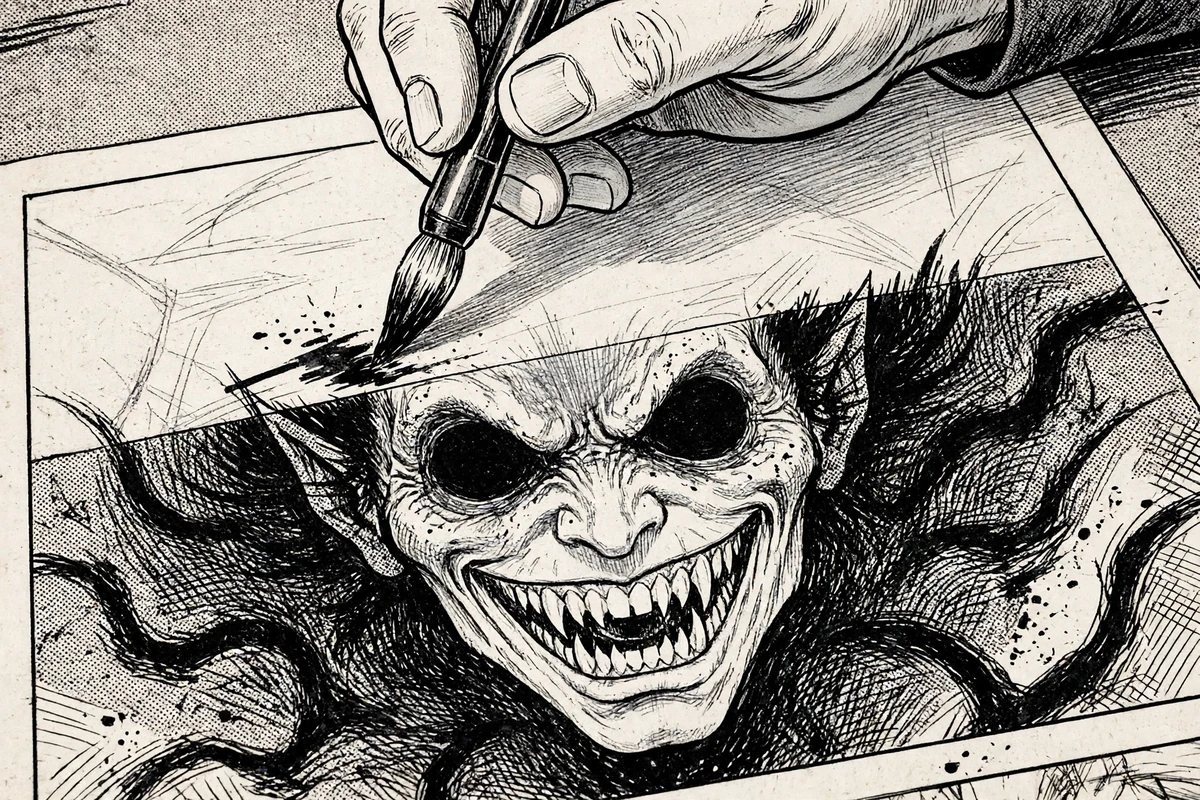
How a Horror Manga Artist Builds Fear on the Page
Fear in manga is not drawn; it is engineered. The artist controls three things at once: the image, the sequence, and the reader’s pace. A novel can describe a monster in a paragraph. A horror manga artist can hide the monster for twenty pages, show only its shadow, then reveal it in a full-page spread the reader reaches by turning the page.
Panel pacing and the page turn
Pacing is the artist’s secret weapon. Small, cramped panels speed the reader up, creating a breathless rush through a chase or an escape. A single tall panel slows everything down, forcing the reader to linger on a detail: a door standing open, a face in a window. The most famous trick in the genre is the page-turn reveal, where an ordinary scene ends at the bottom of a right-hand page and the horror waits on the left of the next one. The reader turns the page themselves, which makes them a participant in the scare. Our guide to manga panels breaks down how this timing works panel by panel.
Faces, bodies and the uncanny
Horror manga artists are masters of the human face, because the face is where the reader looks first. Many of the genre’s most frightening images are not monsters at all but ordinary people drawn slightly wrong: eyes a fraction too far apart, a smile held one beat too long, a head turned at an angle no neck should allow. This is the uncanny valley in ink form, and it works because the reader’s brain recognises the face as human while also knowing something is off.
Body horror takes the same idea further. Artists stretch limbs, multiply joints, merge flesh with objects, or draw a body that is slowly becoming something else — a spiral, a fish, a house. The horror comes not from blood but from the violation of a form the reader trusts. The body is the one thing every reader owns, so a drawing that breaks it feels personal.
Atmosphere before the scare
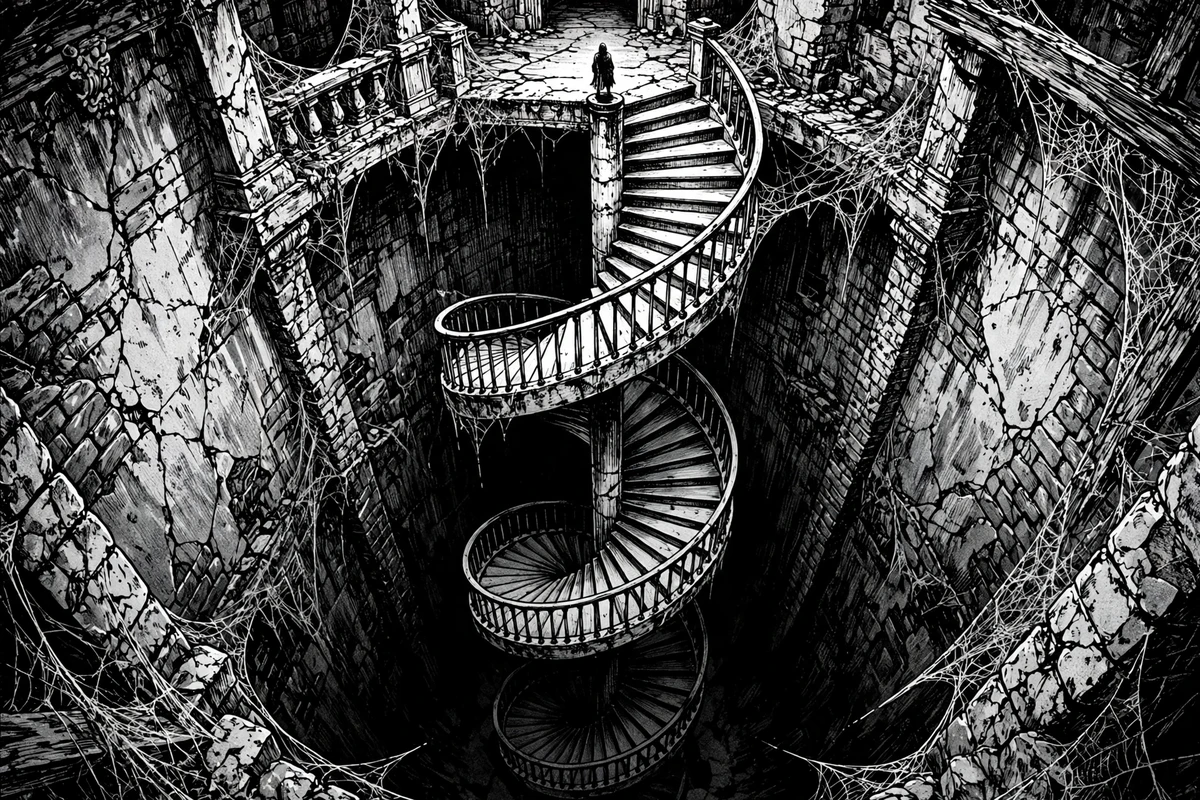
A lesser artist draws the monster first. A great one draws the room the monster will walk into. Rain on a window, a ticking clock, a school corridor after dark — these quiet panels do the real work, because they teach the reader that this world follows rules, and then the horror breaks them. The best horror manga is often slow, even boring, for long stretches. That patience is deliberate. Dread is the feeling that something bad is coming; a jump scare is only the payoff.
Masters of the Craft: Six Artists Who Defined Horror Manga
Horror manga has a short list of giants, and any new reader will meet them quickly. Each one draws fear differently, which is why the table below is the fastest way to find the style that suits you.
| Artist | Signature Style | Landmark Work | Why They Matter |
|---|---|---|---|
| Junji Ito | Beautiful, precise linework hiding cosmic dread | Uzumaki, Tomie | The most famous horror manga artist alive; turned everyday obsessions into nightmares |
| Kazuo Umezu | Wild, expressive faces and apocalyptic scale | The Drifting Classroom | The godfather of the genre; proved horror could carry a long, serious story |
| Hideshi Hino | Grotesque, painterly body horror | Panorama of Hell | Pushed gore into art; his autobiographical horror is disturbingly personal |
| Suehiro Maruo | Ero-guro: elegant art, extreme imagery | Mr. Arashi’s Amazing Freak Show | Revived pre-war ero-guro; his beauty-and-horror mix is instantly recognisable |
| Shintaro Kago | Surreal, satirical, gleefully grotesque | Dementia 21, Fraction | Horror as black comedy; his clean style makes the absurdity hit harder |
| Daijiro Morohoshi | Folklore, myth and quiet unease | Yokai Hunter | Rooted horror in Japanese folklore; dread that creeps rather than jumps |
Landmark Works Every New Reader Should Know
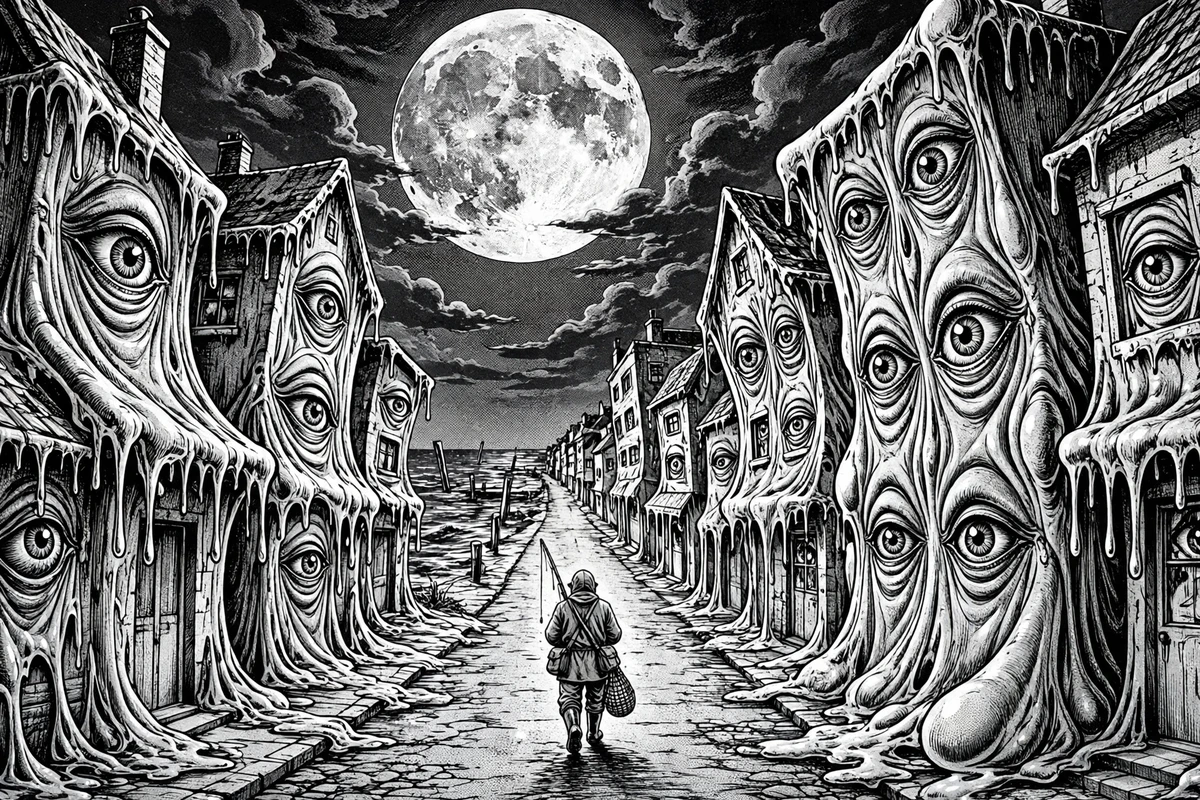
If the table above is the map, these are the first stops. Uzumaki, by Junji Ito, is the single best starting point: a seaside town slowly consumed by spirals, drawn with a precision that makes the impossible feel documented. Its horror is visual first and logical second, which is exactly why it works for new readers — you do not need background knowledge to understand a staircase that should not exist.
Tomie, also by Ito, is the character-driven counterpart: a beautiful girl who cannot die and drives everyone around her to murder. Read it as a set of short stories rather than one long plot, and you will see how a horror manga artist builds a myth one instalment at a time. For a very different flavour, Kazuo Umezu’s The Drifting Classroom drops a whole school into a ruined future and watches children try to survive — horror on an epic, almost disaster-movie scale, drawn with a rawness that still shocks.
Psychological Dread vs. Gore
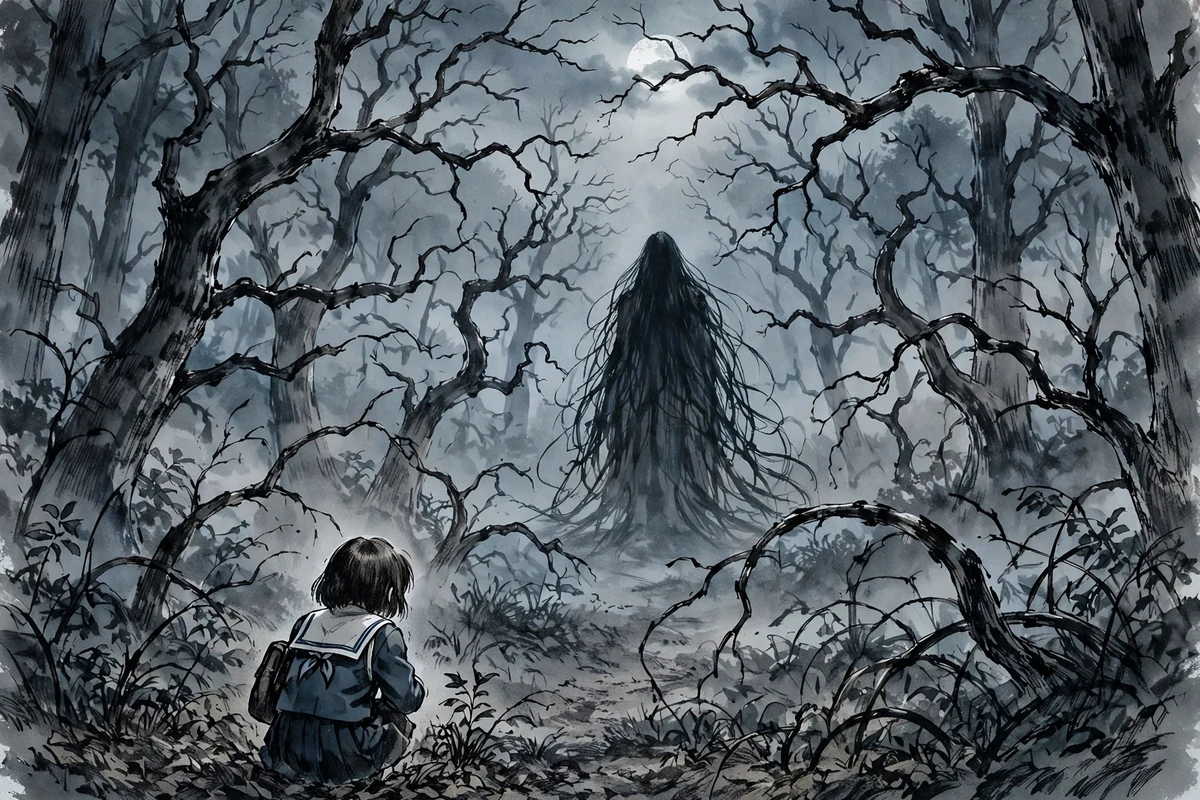
New readers often assume horror manga is all blood. In truth, the genre splits roughly in two. Gore horror, sometimes called splatter, is direct: it shows the body breaking and trusts the image to shock. Psychological horror is indirect: it shows almost nothing, and trusts the reader’s imagination to do worse. Most great artists work in both registers, often in the same story, but they usually lean one way.
Junji Ito leans psychological even when his drawings are graphic — the scariest thing in Uzumaki is not any single death but the slow realisation that the whole town is doomed and nobody can leave. Hideshi Hino leans the other way, painting the body in loving, terrible detail. Neither approach is better; they simply scare different parts of the brain. If you are unsure, start with psychological horror. It is easier to put down, and its images tend to stay with you longer.
Where New Readers Should Start
Start short, start famous, and start with a story you can finish in one sitting. A single volume of Uzumaki or a few chapters of Tomie will teach you more about the genre than a dozen random recommendations. Read at night, but not too late; read slowly, and pay attention to the panels, not just the plot. Horror manga rewards readers who notice the background — the extra face in a crowd scene, the shadow that does not match its owner.
A practical reading order looks like this. First, Uzumaki, for the craft at its purest. Second, The Drifting Classroom, for the genre’s history and scale. Third, one volume of something strange — Dementia 21 or Panorama of Hell — to find out whether you like horror that is weird as well as scary. After that, follow the artist, not the genre: if you loved Ito, read everything of his you can find before moving on, because each artist’s style is a world of its own.
One warning is worth repeating. Horror manga can be genuinely extreme, and some classic works contain graphic violence and disturbing imagery. Check content notes before you buy, especially for Suehiro Maruo and Hideshi Hino. If a book feels cruel rather than frightening, put it down. There are hundreds of others.
Why the Horror Manga Artist Matters
A horror manga artist does something no other kind of creator can quite match: they draw fear itself, frame by frame, and hand it to you in a book you hold with your own hands. The tools are simple — ink, paper, patience — but the result is a genre that has influenced films, games and novels far beyond Japan. The next time a manga page makes you pause before turning it, look closely at the drawing that stopped you.
For more on how manga art is made, see our guide to manga art styles and techniques.