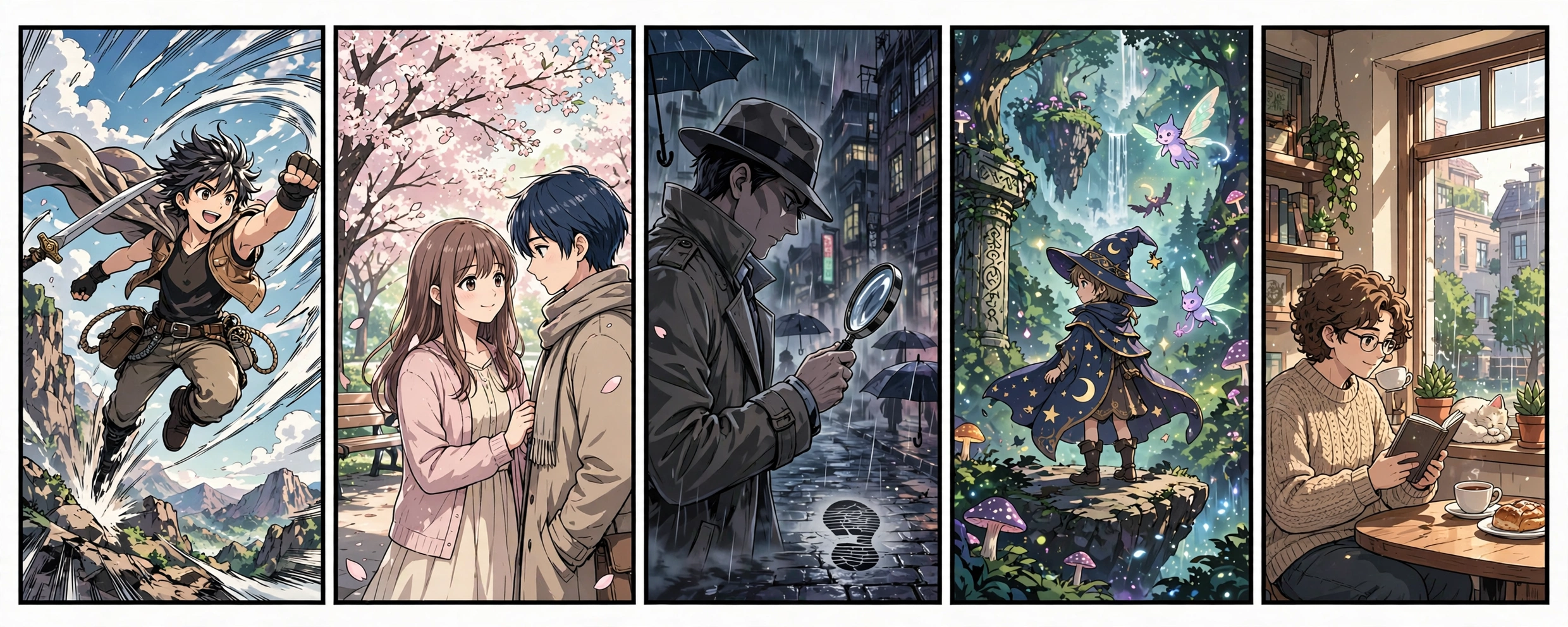
Josei Manga: Complete Guide for Mature Readers
Josei manga is manga made for adult women. The word itself simply means “woman” in Japanese, but in practice it covers a much wider audience: working women, mothers, older students, and anyone who wants stories that move at a slower pace and deal with adult life in a more honest way.
If you are still mapping the wider landscape, our manga genres finder is a good place to start. This guide goes deeper on one corner of that map: what josei is, how it differs from shojo, who it suits, and how to pick your first josei series with confidence.
What Is Josei Manga?
Josei is a demographic category, not a genre. That distinction matters. A josei series can be a workplace drama, a quiet romance, a story about family life, a historical piece, or a gentle slice-of-life tale. What ties them together is the intended reader: an adult woman, rather than a teenage girl.
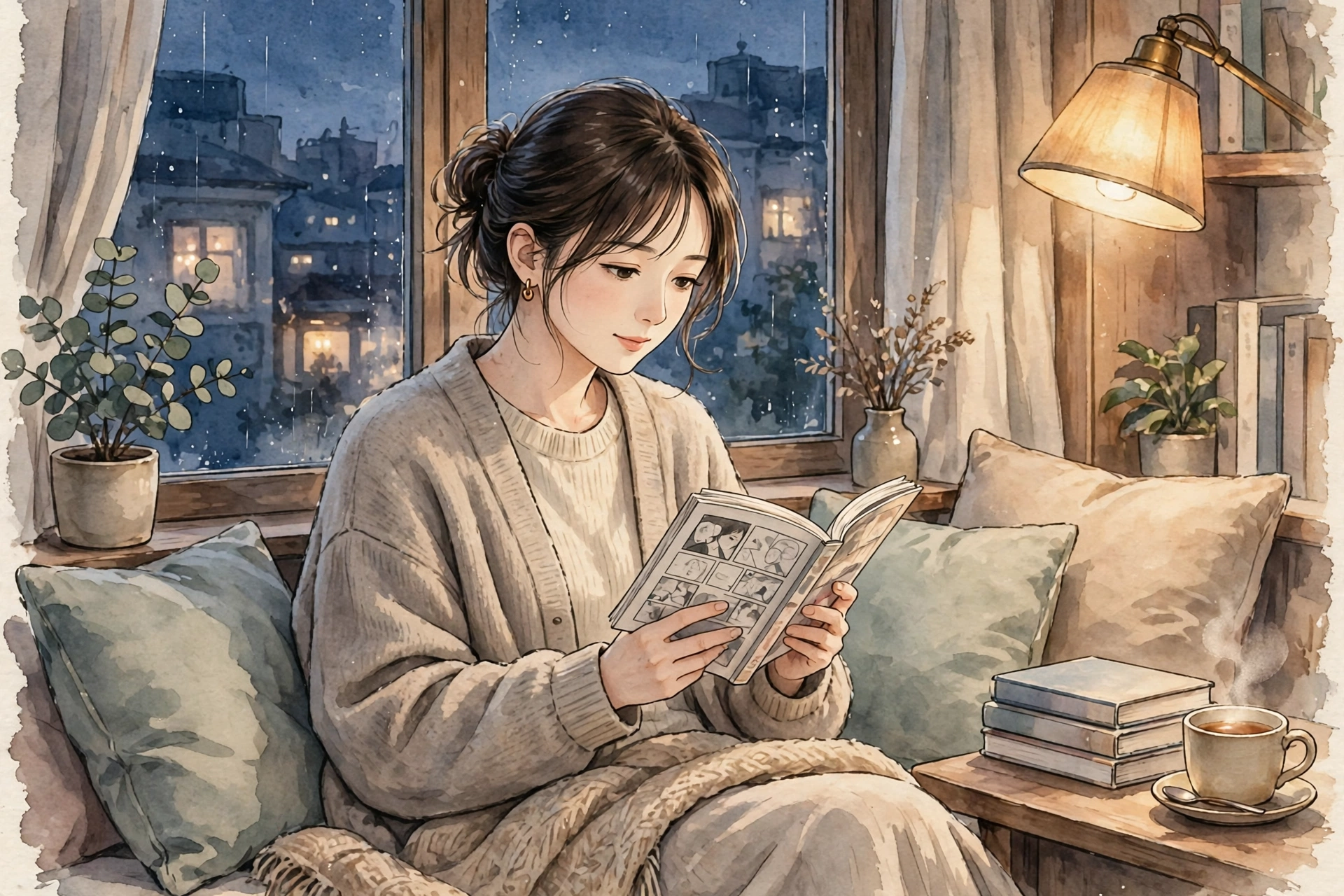
That adult readership shapes the storytelling. Josei series often take their time. A story may spend whole chapters on a single decision, a friendship that is slowly changing, or a career that is not going the way it was supposed to. The art tends to be softer and more detailed, and the tone is often warm and reflective, even when the subject matter is serious.
It also means josei is not defined by a single mood. Some josei is romantic and hopeful, but plenty of it is bittersweet, funny, or quietly everyday. The common thread is maturity of perspective: characters who deal with jobs, money, marriage, divorce, parenthood, ageing parents, and second chances, rather than school exams and first crushes.
Josei vs Shojo: Key Differences
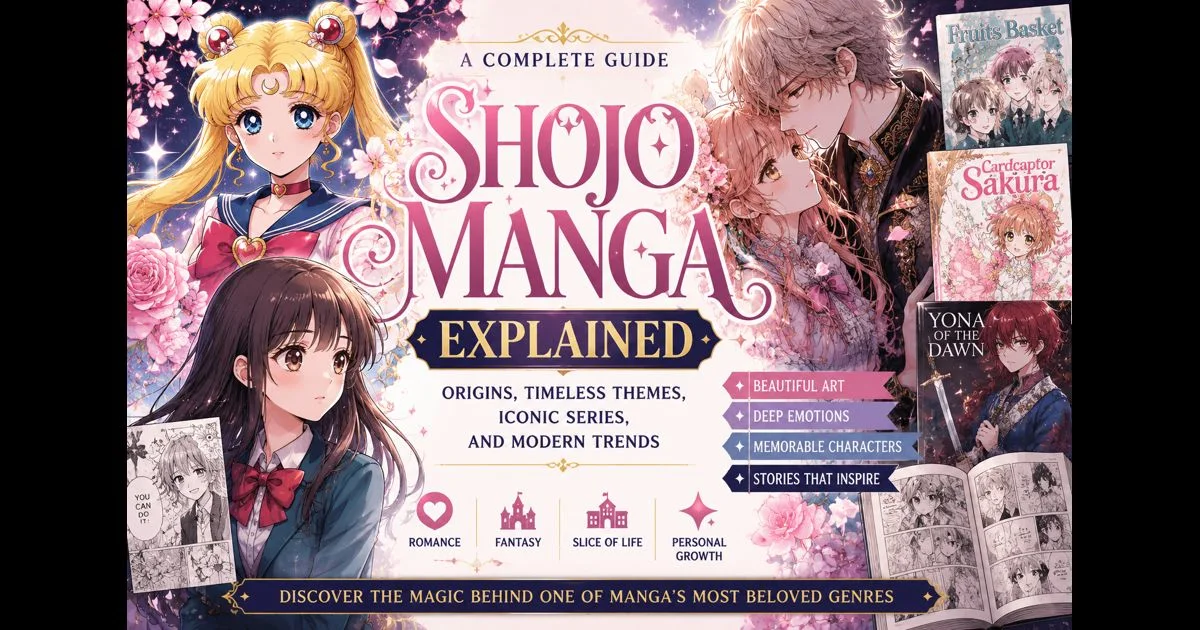
Josei and shojo are often confused because both are aimed at female readers, but they sit at different life stages. Josei is the adult counterpart of shojo, just as seinen is the adult counterpart of shonen. The table below sums up the usual differences.
| Shojo | Josei | |
|---|---|---|
| Target reader | Teenage girls, roughly | Adult women, broadly |
| Typical themes | First love, friendship, school life, self-discovery | Work, marriage, family, independence, later-life choices |
| Romance | Often idealised, with longing and firsts | Often realistic, with compromise, routine, and long-term bonds |
| Pacing | Brisk, with frequent emotional turns | Slower, with room for reflection and detail |
| Art and tone | Bright, expressive, decorative | Often softer, more detailed and grounded |
| Endings | Tend towards hope and resolution | More often open, bittersweet, or quietly settled |
These are tendencies, not rules. Some shojo series are slow and thoughtful, and some josei series are light and funny. The labels describe who a series was first made for, not a quality ranking, so neither is “better” than the other.
Who Is Josei For?
Josei suits you if any of the following sound familiar:
- You grew up on shojo and want stories that match your current life stage.
- You prefer character and atmosphere over constant action.
- You enjoy stories about work, relationships, and the small decisions that shape a life.
- You like endings that leave something to think about, rather than tying everything up neatly.
- You want to read manga that feels closer to literary fiction than to a school romance.
Josei is also a good fit for returning readers. Many adults come back to manga after years away and find that the teenage heroines they loved no longer reflect their lives. Josei meets them where they are. If content concerns matter to you, check our guide to manga age ratings before starting a new series, since josei covers a wide range of content.
Common Josei Themes
Because josei is a demographic rather than a genre, its themes are broad. These are the ones you will meet most often:
- Work and ambition: offices, shops, studios, and the pressure of making a living. Careers are treated as a real part of life, not just a backdrop.
- Love after the first flush: long-term relationships, marriages under strain, dating again after a breakup, and choosing a partner with open eyes.
- Family and parenthood: raising children, caring for ageing parents, and the push and pull between family duty and personal freedom.
- Friendship in adulthood: friends who drift apart as lives change, and the effort it takes to hold on to the ones who matter.
- Starting over: moving to a new city, changing careers, leaving a bad relationship, and building a life again from scratch.
- Quiet everyday life: cooking, walking, running a small shop, tending a garden. Some of the most loved josei is about ordinary days, told with care.
- Self-worth and independence: learning to want things for yourself, setting boundaries, and finding confidence outside of other people’s approval.
How to Start Reading Josei
The best first josei series is the one that matches your mood. These starter paths are a practical way in, whatever you usually enjoy:
- If you like grounded drama: start with a workplace or family story. The stakes are personal, the cast is small, and you can tell within a chapter or two whether the tone suits you.
- If you like romance: pick a story about adults falling in love, or falling out of it. These reward patience, with slow-burning relationships and honest conversations.
- If you like something gentle: try a slice-of-life series. These are easy to read in short sittings and show the quieter side of josei at its best.
- If you like history: choose a period drama. These combine detailed settings with the same adult themes, and often run for many volumes.
- If you are unsure: read the first chapter of two or three very different series and compare. Josei varies so much that one bad first pick says nothing about the rest.
Whatever you choose, plan your reading order before you commit to a long series. Our manga reading order guide explains how to check volumes, arcs, and spin-offs so you start at the right place. And if a term confuses you along the way, our manga terms glossary covers the vocabulary readers actually meet.
Where Josei Fits Among Manga Genres
Josei sits alongside shojo, shonen, and seinen as one of the four main demographic groups, with genres like romance, fantasy, horror, and sports cutting across all of them. A josei romance and a shojo romance can share a setting and still feel completely different, because they are written for readers at different stages of life.
For the full picture, see our ultimate guide to manga genres, which maps how demographics and genres fit together. Josei is the corner of that map where manga grows up with its reader.
Frequently Asked Questions
Is josei only for women?
No. Josei was originally aimed at adult female readers, but its audience today is much broader. Anyone who enjoys mature, slower-paced stories about adult life can read josei, regardless of gender.
Is josei always about romance?
No. Romance is common in josei, but it is far from the whole picture. Many josei series focus on work, family, friendship, or everyday life, with romance as a side thread or not present at all.
Do I need to read shojo first?
No. Josei stands on its own. Knowing shojo helps you notice the differences, but you can start directly with josei and understand it perfectly well.
How long are josei series?
It varies widely. Some are short and complete in a few volumes, while others run for many years. If you are starting out, a shorter series is a safer first pick.
Where should a complete beginner start?
Start with a short series in a theme you already enjoy, such as a workplace drama or a gentle slice-of-life story, and use the starter paths above to narrow it down.
Conclusion
Josei is manga for readers who want stories that take adult life seriously: slower pacing, detailed art, complex characters, and endings that do not always tie up neatly. Start with a theme you already like, keep your first series short, and let the demographic label guide you rather than limit you. Once you find the corner of josei that fits, there is a deep shelf waiting behind it.