Some manga invite you into bright worlds where heroes win and hope always survives the final page. Dark fantasy manga does the opposite. It drops you into a kingdom that is already rotting, hands the sword to a hero who may not survive the chapter, and asks you to keep reading anyway. If you have ever finished a fantasy story and wished it had sharper teeth, this is the genre for you. This guide explains what dark fantasy manga is, which series shaped it, and how to pick a first read.
What Is Dark Fantasy Manga?
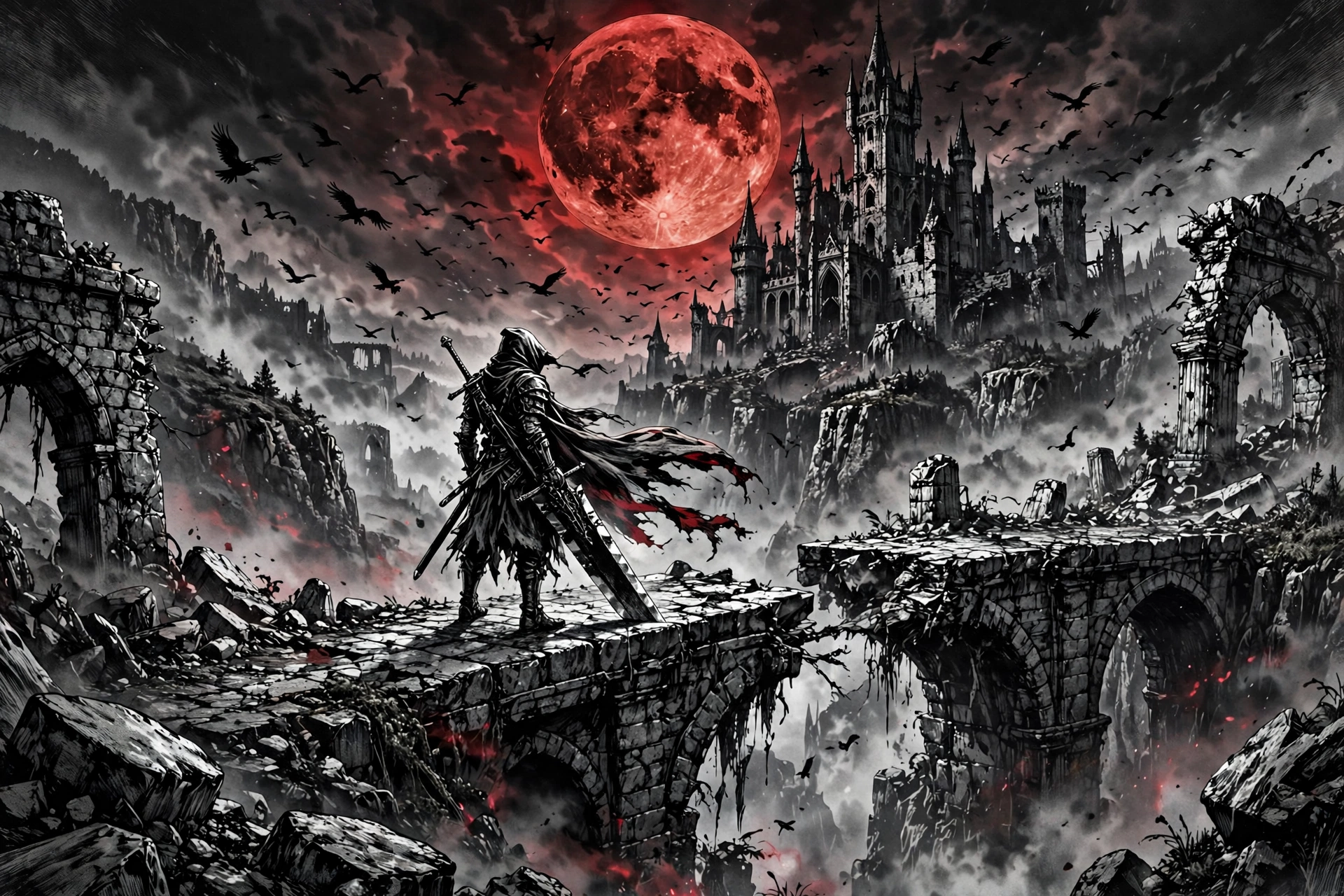
Dark fantasy manga is fantasy storytelling with the safety net removed. The setting is usually a medieval world, a ruined kingdom, or a modern city hiding something rotten, but the tone is what sets it apart. Heroes are flawed, bargains have real costs, and victories come at a price that makes you question whether they were worth it. Magic is dangerous, corrupting, or paid for in blood, and monsters are often the most honest characters in the story.
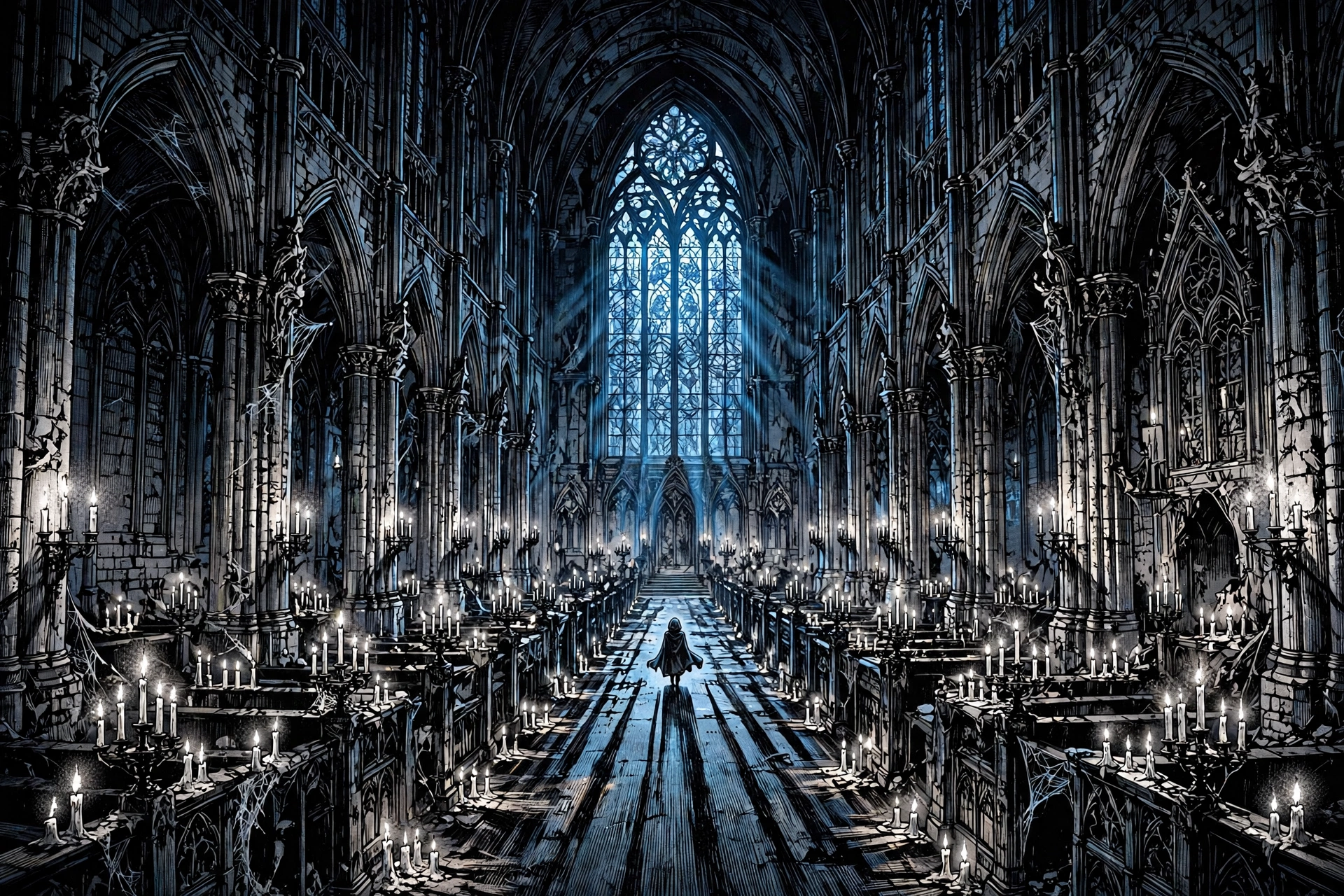
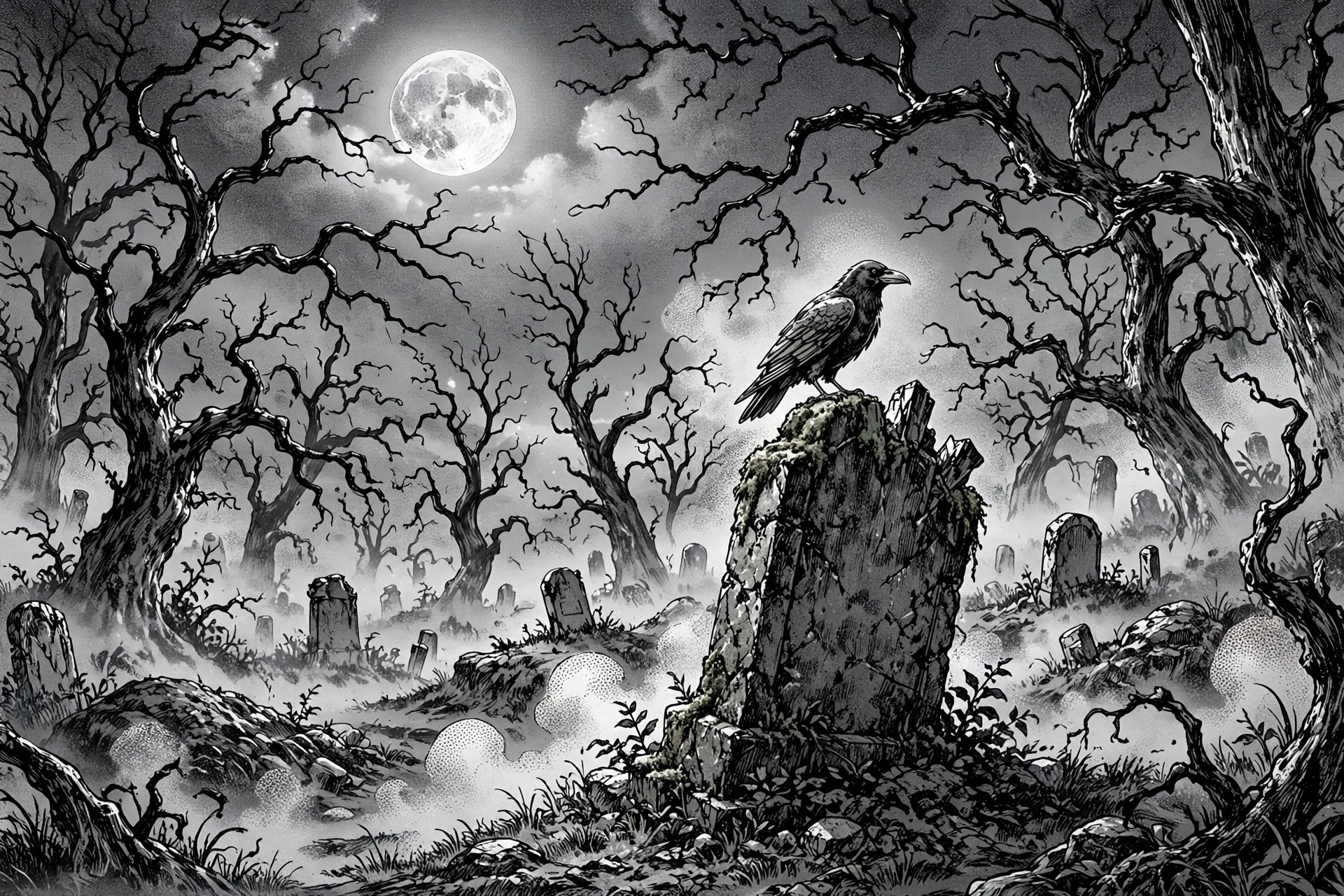
Three traits show up again and again. First, moral grey areas: the hero may be a mercenary, an outcast, or someone cursed, and the villains may have reasons you almost understand. Second, real stakes: characters you love can die, and the story does not apologize for it. Third, atmosphere: ruined castles, cursed forests, and foggy graveyards are not decoration. The setting itself feels like a character, and it is rarely a kind one. The best dark fantasy still finds moments of loyalty, humor, and stubborn hope inside the darkness, which is exactly why readers stay.
How Dark Fantasy Differs from Regular Fantasy
Regular fantasy and dark fantasy share swords, magic, and strange creatures, but they use them differently. In classic fantasy, the quest restores order. In dark fantasy, order may never return. The kingdom might already be lost, the villain might be the system itself, and the hero might win the battle while losing everything else.
The difference is not just gore or violence, though dark fantasy often has both. It is the question the story asks. Regular fantasy asks, “Can the hero win?” Dark fantasy asks, “What will winning cost, and will the hero still recognize themselves afterward?” That shift changes everything: the pacing slows for dread, the art leans into shadow, and the ending may be bittersweet or openly tragic. Readers who enjoy our fantasy manga guide often move to dark fantasy for the same wonder with higher stakes, and our broader manga genres overview shows where the two styles sit side by side.
The Landmark Series Every New Reader Should Know
Start with the series that defined it.
Berserk (Kentaro Miura, 1989) is the foundation of the genre. Guts, a lone mercenary with a massive sword, crosses a brutal medieval world chasing revenge against a former friend who sacrificed everything for power. Its detailed black-and-white art set the visual standard for dark fantasy. Long, intense, and unfinished after Miura’s death in 2021, it is best saved for when you are ready for the genre at full strength.
Attack on Titan (Hajime Isayama, 2009) begins as survival horror: humanity hides behind walls while giant Titans eat anyone outside. As the mystery unfolds, it becomes a study of war, propaganda, and freedom, and its later volumes are as dark as anything in the genre.
Claymore (Norihiro Yagi, 2001) follows Clare, a half-human, half-demon warrior hunting the monsters called Yoma. It is a clean, focused example of the genre: a harsh world, a clear mission, and a heroine whose own power slowly turns her into what she fights.
Dorohedoro (Q Hayashida, 2000) is the weirdest entry on this list. In a grimy, rain-soaked city called Hole, a man with a lizard head hunts the sorcerer who cursed him, helped by his friend Nikaido, who runs a dumpling restaurant. Violent and strange, it is also funny and warm in a way few dark fantasy series manage.
Made in Abyss (Akihito Tsukushi, 2012) looks like a children’s adventure at first: a young girl and a robot boy descend into a giant pit full of wonders. The deeper they go, the darker the discoveries become. Its bright, beautiful art makes the horror land harder, a reminder that dark fantasy is a tone, not a color palette.
Chainsaw Man (Tatsuki Fujimoto, 2018) and Jujutsu Kaisen (Gege Akutami, 2018) brought dark fantasy to a new generation. Chainsaw Man follows Denji, a poor devil hunter who merges with his chainsaw devil; Jujutsu Kaisen follows Yuji Itadori, a schoolboy who swallows a cursed finger and becomes a curse’s vessel. Both are fast, funny, and brutal, and both are excellent first reads if you want modern pacing. Many are aimed at older teens and adults; our seinen manga guide explains the demographic where much of the genre lives, and the shonen vs seinen comparison shows how the same beats change with the audience.
Tokyo Ghoul (Sui Ishida, 2011) sets its darkness in modern Tokyo, where ghouls who must eat human flesh hide among ordinary people. Kaneki, a student turned half-ghoul, is caught between both worlds, a strong pick if you prefer a city setting.
Devilman (Go Nagai, 1972) is the genre’s ancestor. Akira Fudo merges with a demon to fight demons, and the story builds to one of the bleakest endings in manga history. Short and raw, it is dated in places, but every dark fantasy creator working today owes it something.
The Promised Neverland (Kaiu Shirai and Posuka Demizu, 2016) proves dark fantasy does not need swords at all. Children in an idyllic orphanage discover they are being raised as food, and the escape that follows is a tense battle of wits, with a psychological edge like the stories in our mystery and psychological manga guide.
Dark Fantasy Styles at a Glance
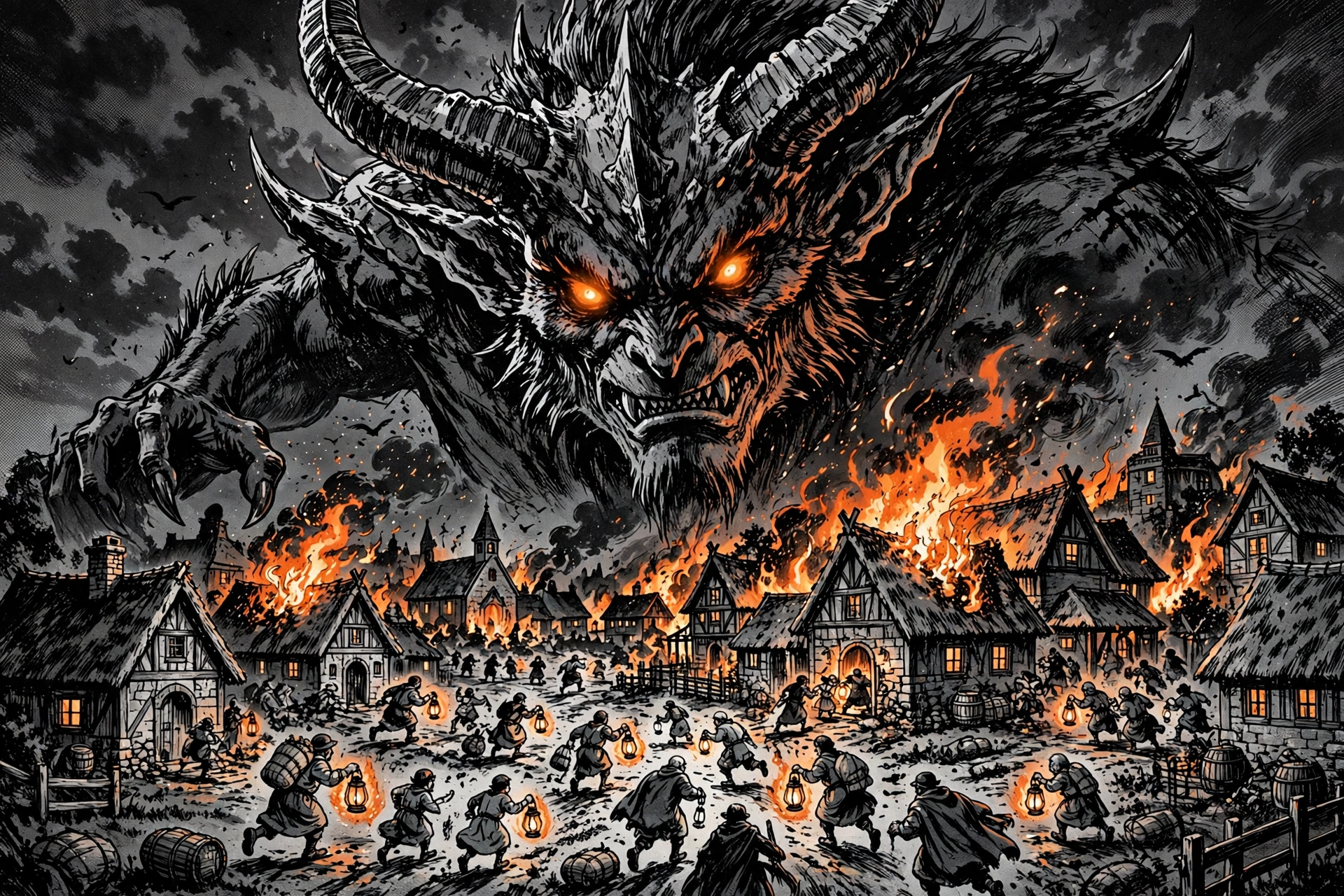
Dark fantasy is not one single flavor. The table shows the main styles, what to expect, and a good first read.
| Style | What to Expect | Good First Read |
|---|---|---|
| Grimdark sword and sorcery | Brutal medieval worlds, mercenaries, demons, and costly victories | Berserk |
| Gothic horror | Haunted castles, curses, vampires, and creeping dread | Tokyo Ghoul |
| Urban dark fantasy | Modern cities hiding monsters, curses, and secret wars | Jujutsu Kaisen |
| Survival horror | Ordinary people trapped by a threat they barely understand | Attack on Titan |
| Dark fairy tale | Beautiful art hiding disturbing truths and cruel bargains | Made in Abyss |
| Psychological dark fantasy | Mind games, moral traps, and plans that unravel slowly | The Promised Neverland |
How to Pick Your First Dark Fantasy Manga
Choosing where to begin is the hardest part. Use these five steps.
1. Pick your setting first. Love medieval worlds? Start with Berserk or Claymore. Prefer modern cities? Try Tokyo Ghoul or Jujutsu Kaisen. Setting matters more than popularity, because you will spend dozens of hours in that world.
2. Check the tone you can handle. Dark fantasy ranges from “tense and bittersweet” to “genuinely disturbing.” Attack on Titan and The Promised Neverland are intense but widely readable; Berserk and Made in Abyss go further. Read the first chapter free before committing to a volume, and check the age rating; our best manga for beginners guide has more advice on easing into heavier series.
3. Decide between finished and ongoing. Finished series like Attack on Titan, Claymore, and The Promised Neverland let you read the whole story without waiting, while ongoing series like Chainsaw Man reward patience but demand it. New readers usually enjoy a finished series first.
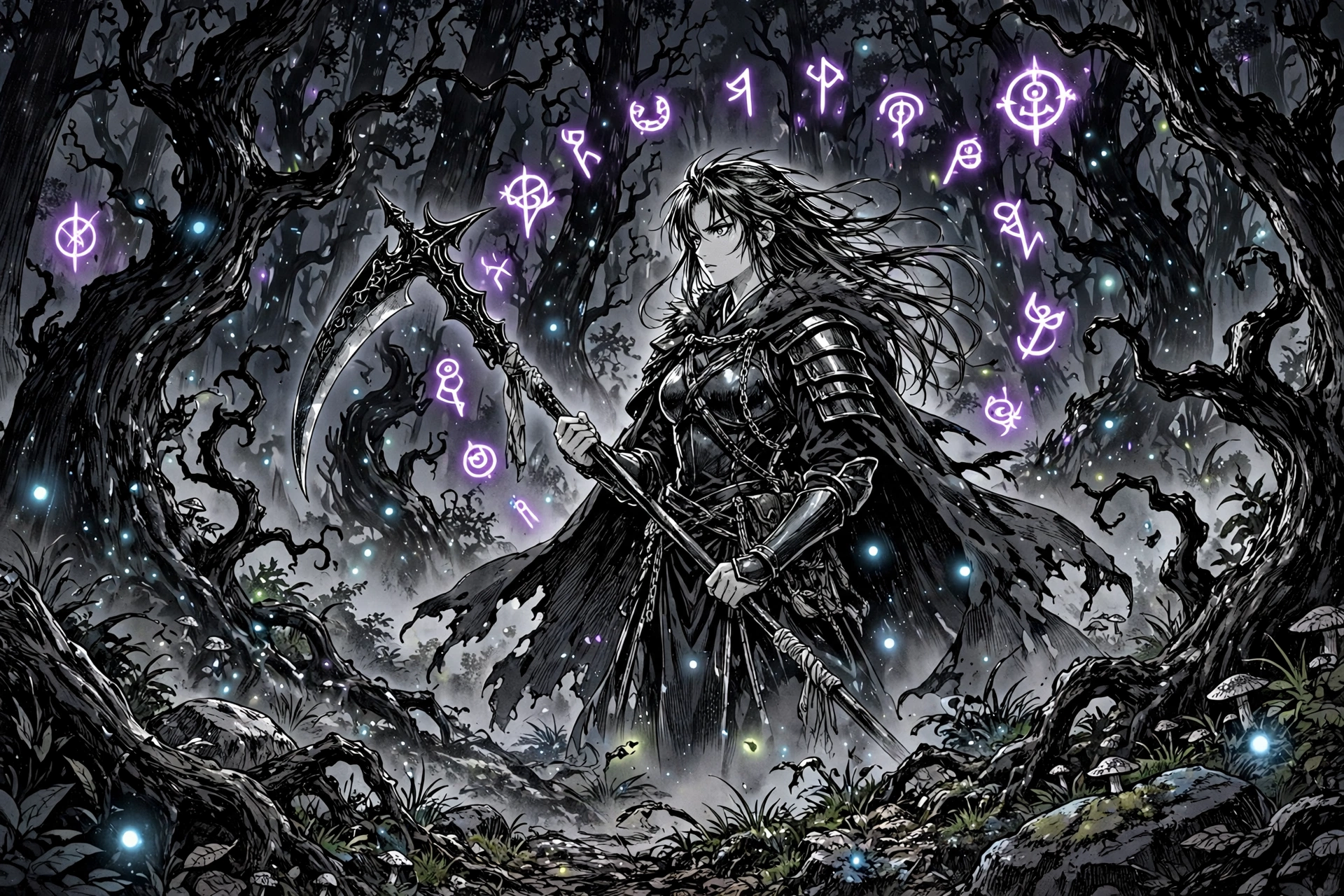
4. Match the art to your taste. Flip through a few pages before buying: Miura’s hyper-detailed ink work, Tsukushi’s soft watercolor look, and Fujimoto’s rough panels feel very different, and if the art does not pull you in, the story has to work twice as hard.
5. Start with one, not five. Dark fantasy is heavy reading. Finish one series, sit with its ending, and choose the next based on what you liked most. Loved the strategy of The Promised Neverland? Try a psychological series. Loved the battles of Jujutsu Kaisen? Try Chainsaw Man. And if the darkness ever feels like too much, a lighter genre is a good palate cleanser; our romcom manga guide is the natural reset button, and the josei manga guide covers grounded, adult stories for readers who want realism instead of monsters.
What to Know Before You Start
Dark fantasy manga is usually aimed at older teens and adults, and many series carry warnings for violence, gore, body horror, and disturbing themes. Check the rating before handing a series to a younger reader. That is not a flaw in the genre; it is the point. The darkness is the story.
Reading order is simple: start at volume one and go in order, and avoid wikis until you finish a series, because dark fantasy twists are the kind spoilers ruin completely.
Where you read matters too. Licensed English editions from Viz, Dark Horse, and Yen Press are widely available in print and digital, and legal apps and subscription services carry most of the series in this guide. Supporting official releases keeps more dark fantasy in print, which is how the next Berserk gets made. For a wider map of the genre, the ultimate guide to manga genres places dark fantasy alongside every other style you might explore next.
Frequently Asked Questions
Is dark fantasy manga the same as horror manga? Not quite. Horror manga exists to scare you, often through short stories or standalone scares. Dark fantasy uses horror elements inside a larger fantasy story about a world, a quest, or a war. The two overlap heavily, but a dark fantasy series usually has a plot that keeps going after the scare.
Can I start with Attack on Titan if I have never read manga? Yes. It is one of the most beginner-friendly dark fantasy series: the premise is simple, the early volumes move fast, and the anime follows the manga closely. Just know the story gets much darker after the first few volumes.
Do I need to like gore to enjoy dark fantasy? No. Series like The Promised Neverland and Made in Abyss build their darkness from tension, mystery, and moral choices rather than graphic violence. Gore is common, but it is not the whole genre. Pick the style from the table above that matches your comfort level.
Dark fantasy manga is not an easy read, and that is why it stays with you. It asks harder questions than most fantasy, lets its heroes fail, and trusts you to sit with an ending that is not always happy. Start with one series from this guide and read the first volume. If the darkness pulls you in, there is a whole shelf of it waiting.