Romance is the beating heart of manga. It has been quietly showing generations of readers how love actually feels: awkward first crushes, slow-burn friendships that turn into something more, long-distance longing, and devotion that survives curses, kingdoms, and career changes. It is the most popular thread running through the medium, showing up in almost every genre, from high school comedies to dark fantasy epics.
This guide explains what romance manga really is, how its subgenres differ, and which landmark series define it, whether you are picking up your first shojo series or looking for a mature josei story.
What Is Romance Manga?
At its simplest, romance manga is any manga where a romantic relationship drives the story. The couple’s feelings are not a side plot; they are the engine. Every chapter asks the same question in a new way: will these two people find each other, and what will it cost them? That question can be asked in a school hallway or on a battlefield, which is why romance overlaps with so many other genres. Our complete guide to manga genres shows how romance threads through shojo, josei, shonen, and seinen alike.
What sets romance manga apart is patience. A romantic comedy might resolve a misunderstanding in ninety minutes; a manga can spend ten volumes on a single unspoken feeling. Readers watch characters grow up, make mistakes, and slowly learn to be honest with each other. The confession, when it finally arrives, lands because the story earned it.
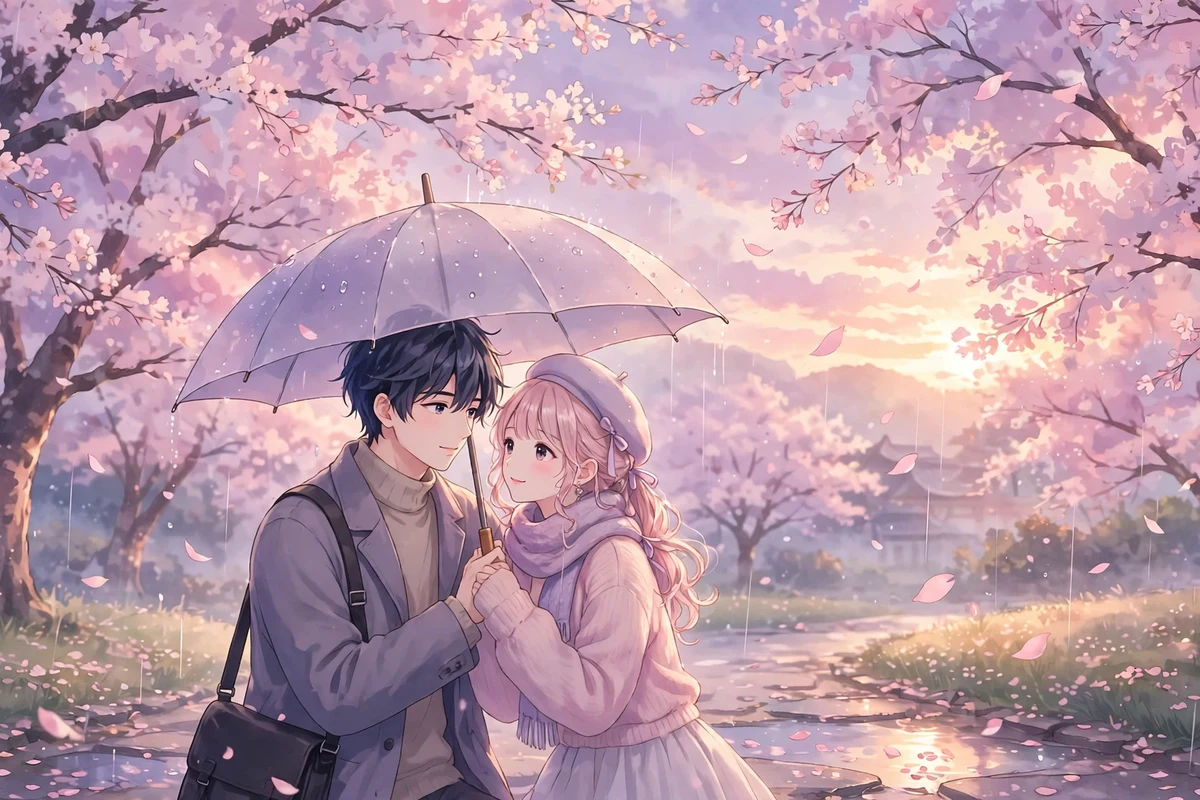
Romance manga also treats emotion as action. A shared umbrella in the rain, a bento made with shaking hands, a text message typed and deleted three times: these small moments carry the same weight as a fight scene. The best romance manga makes a reader feel the stakes of a glance across a classroom.
The Main Subgenres of Romance Manga
Romance is not one thing. The table below maps the major subgenres, what each one offers, and a landmark title to start with.
| Subgenre | What It Is | Best For | Start With |
|---|---|---|---|
| Shojo Romance | First love and school life, usually with a young heroine | Readers who want sweet, emotional first-love stories | Kimi ni Todoke |
| Josei Romance | Adult relationships, work, marriage, and real-life stakes | Adult readers who want grounded, mature love stories | Nana |
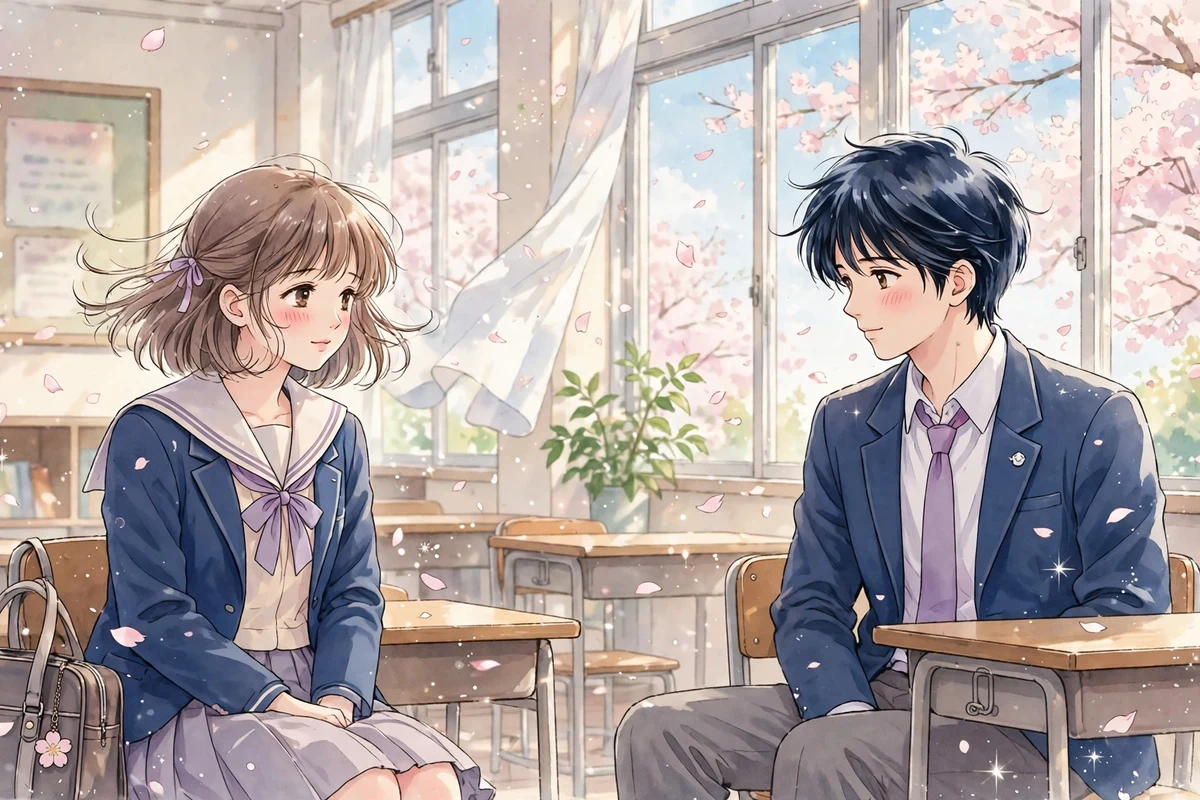
| School Romance | Crushes, festivals, and classroom drama between students | Anyone nostalgic for school days and first crushes | Horimiya |
| Workplace Romance | Love between colleagues balancing careers and feelings | Readers who enjoy adult settings and office humour | Wotakoi |
| Fantasy Romance | Love set in magical worlds, kingdoms, or other eras | Readers who want sweeping worlds with their romance | Yona of the Dawn |
| Supernatural Romance | Romance with vampires, spirits, gods, or curses | Fans of the paranormal with a romantic core | Kamisama Kiss |
| Romantic Comedy | Love played for laughs, with banter and misunderstandings | Readers who want to laugh as much as they swoon | Kaguya-sama: Love Is War |
| Drama and Tragedy | Love tested by illness, distance, loss, or fate | Readers who want an emotional, bittersweet story | Your Lie in April |
| Boys’ Love and Girls’ Love | Romance between two men (BL) or two women (GL) | Readers looking for LGBTQ+ love stories | Given / Bloom Into You |
Two things are worth noticing. First, the demographic labels describe who a series was originally marketed to, not who is allowed to enjoy it. Second, most great romance series blend two or three of these rows: Horimiya is a school romance and a romantic comedy, while Yona of the Dawn is fantasy romance and slow-burn drama. Use the table as a map, not a set of walls.
Landmark Romance Manga You Should Know
These are the series other romance manga are measured against.
The Classics That Defined the Genre
Maison Ikkoku by Rumiko Takahashi (1980-1987): a broke student falls for his widowed landlady in a rundown boarding house. Funny and patient, it is still the blueprint for the slow-burn adult romance.
Fruits Basket by Natsuki Takaya (1998-2006): Tohru Honda moves in with the Sohma family, who turn into zodiac animals when hugged. Beneath the fantasy premise, a story about trauma, kindness, and learning to be loved.
Modern Shojo Essentials
Kimi ni Todoke by Karuho Shiina (2005-2017): Sawako Kuronuma is feared at school for resembling a horror-movie ghost, until one boy’s kindness changes everything. A gentle masterclass in shyness and first love.
Ao Haru Ride by Io Sakisaka (2011-2015): Futaba reunites with her first love in high school, only to find he has changed. A story about growing apart, and whether love survives it.
Horimiya by HERO and Daisuke Hagiwara (2011-2021): two classmates hide their real selves at school and discover each other by accident. Few series capture being truly seen as well as this one. If shojo is your entry point, our guide to the world of shojo manga covers its themes and trends in more depth.
Josei and Adult Romance
Nana by Ai Yazawa (2000-2009, on hiatus): two women named Nana share a Tokyo apartment and very different dreams. A frank, adult story about love, ambition, and the price of both, on hiatus since 2009 yet still hugely influential.
Paradise Kiss by Ai Yazawa (1999-2003): a studious teenager is pulled into the world of fashion students and falls for their charismatic leader. Short, stylish, and honest about young love’s limits.
Honey and Clover by Chica Umino (2000-2006): art students navigate unrequited love, graduation, and growing up. A josei classic; our josei manga guide explains the genre in full.
Fantasy and Supernatural Romance
Inuyasha by Rumiko Takahashi (1996-2008): a modern schoolgirl falls through a well into feudal Japan and into a centuries-old love story. Fantasy romance on an epic scale.
Kamisama Kiss by Julietta Suzuki (2008-2016): a homeless teenager becomes a shrine god and falls for her fox familiar. Comedy balanced with genuine tenderness.
Yona of the Dawn by Mizuho Kusanagi (2009-ongoing): a sheltered princess loses her kingdom and fights to reclaim it, falling in love along the way. One of the strongest slow-burn romances in modern fantasy.
Comedy and Feel-Good Romance
Kaguya-sama: Love Is War by Aka Akasaka (2015-2022): two proud geniuses refuse to confess first, turning romance into a battle of wits. One of the funniest manga ever made, and surprisingly sincere.
My Love Story!! by Kazune Kawahara and Aruko (2011-2016): a big, gentle boy who always loses girls to his handsome best friend finally finds someone who loves him for himself. Pure warmth.
What Makes Romance Manga Work
Three things separate great romance manga from forgettable love stories. The first is interiority: readers spend as much time inside a character’s head as watching them act. Thought bubbles and silent reaction panels let us feel a crush forming in real time.
The second is the slow burn. Anticipation is the most powerful emotion in the genre: a hand almost held is more exciting than a kiss, because the reader has waited ten chapters for it. Series like Kimi ni Todoke and Yona of the Dawn build their whole structure on this principle.
The third is honesty about feelings. The best romance manga does not pretend love is easy or purely joyful. Jealousy, insecurity, miscommunication, and the fear of rejection are all part of the story, and the couples who last are the ones who learn to talk about them. Romance even shows up in action-heavy shonen series, though shonen and seinen handle love very differently.
Who Is Romance Manga For?
Everyone, genuinely. Teenagers find their own first crushes reflected in school romance; adults find their own relationships in josei and seinen stories about work, marriage, and starting over. If you have ever liked a story about two people figuring each other out, there is a romance manga for you, whether you want a light comedy, a sweeping fantasy, or a quiet drama about ordinary life. Slice-of-life romance, in particular, suits readers who prefer gentle, everyday stories to big dramatic turns.
Where Beginners Should Start
Start with your mood, not a best-of list. For something light and funny, begin with Horimiya or Kaguya-sama. To cry a little, try Orange or Your Lie in April. For a long, immersive world, commit to Fruits Basket or Yona of the Dawn.
A good first week looks like this: pick one completed series and read the first three volumes before deciding anything. Romance manga reveals itself slowly, and the first chapter rarely shows the whole picture. If a series clicks, finish it before starting another, because jumping between five romances at once blurs them together. And when you are ready for something different, our fantasy manga guide and mystery and psychological manga guide are natural next steps.
Finally, do not worry about demographic labels. A shojo series can be loved by anyone, and a josei drama can move a teenager. Follow the story, not the shelf it was placed on.
Frequently Asked Questions
What is the best romance manga for beginners?
Horimiya is the safest first pick. It is complete at sixteen volumes, funny, warm, and easy to follow, with a couple that gets together early and stays together. Kimi ni Todoke is the best choice if you prefer a slower, sweeter first-love story.
Is romance manga only for girls?
No. Shojo and josei are marketing labels, not rules. Millions of male readers love romance manga, and many of the most popular series, from Kaguya-sama to Horimiya, have huge male audiences.
What is the difference between shojo and josei romance?
Shojo romance usually follows younger heroines through first love, school life, and self-discovery. Josei romance follows adult women through work, marriage, divorce, and second chances, with more realistic stakes. The difference is the stage of life, not the quality.
Do romance manga have happy endings?
Most do, but not all. Horimiya and Kaguya-sama end on a high note, while Nana and Orange are bittersweet. The best romance manga earns its ending either way.