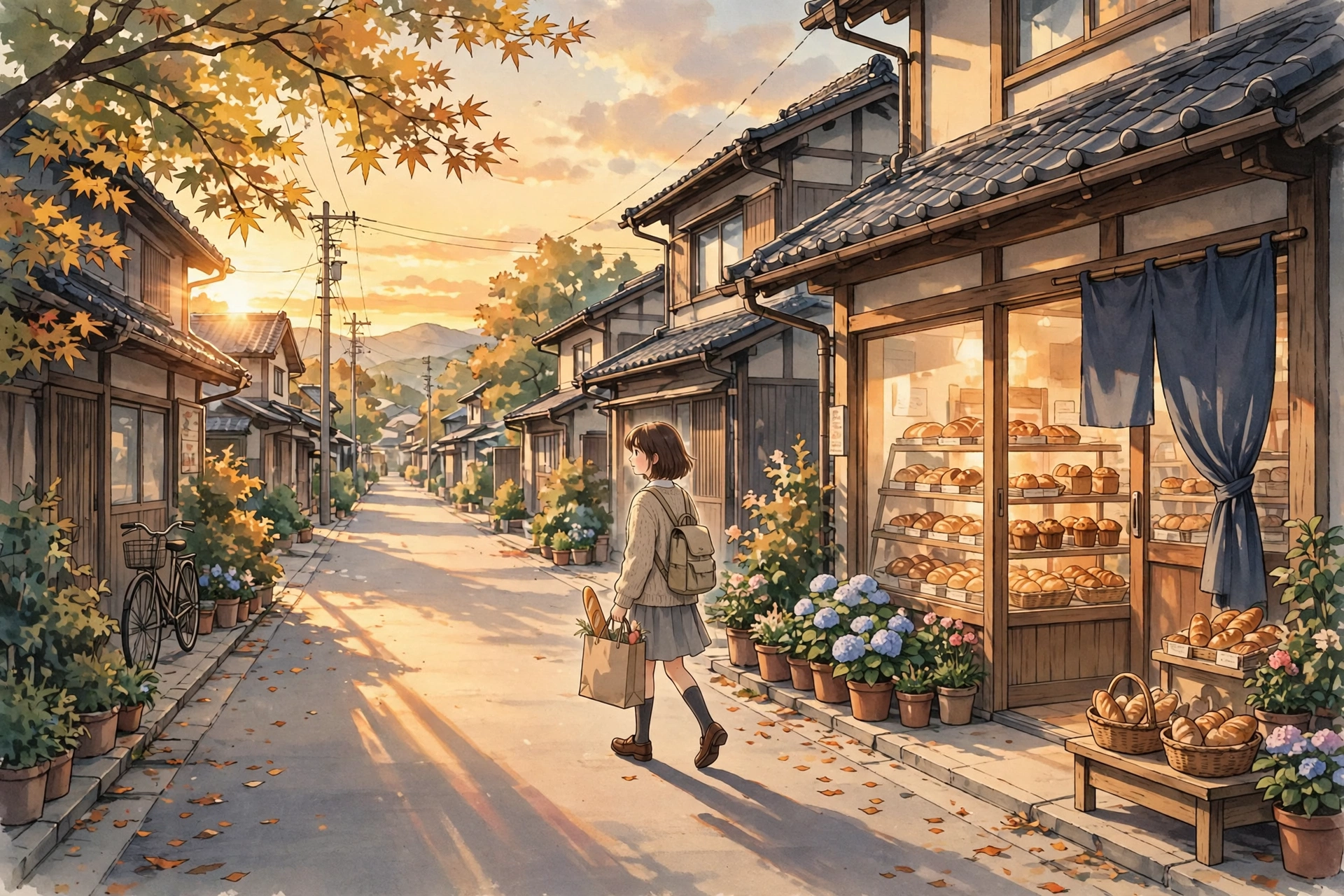
Some manga chase you through battles and impossible worlds. Slice of life manga does the opposite: it slows down and shows you an ordinary day done beautifully. A girl walks to school, a retired teacher tends his garden, friends share tea while the rain falls outside. Nothing explodes, and yet you cannot stop reading. That is the quiet magic of the genre: it finds the story inside everyday life.
This guide covers what slice of life manga is, why it works, the main flavours, the landmark titles, and where beginners should start. New to manga? Our manga genres finder is a good place to begin.
What Is Slice of Life Manga?
Slice of life manga is built around ordinary, everyday life rather than a big plot. There is no villain to defeat, no mystery to solve, and no world to save. Instead, the story follows people through small, recognisable moments: cooking dinner, walking the dog, starting a new job. The drama comes from feelings, not events — a small kindness, a quiet regret, a friendship growing over time.
The genre is sometimes called iyashikei, a Japanese word for “healing,” because so much of it is designed to calm the reader down. The pace is slow on purpose. A chapter might spend ten pages on a single afternoon: the light through a window, the sound of cicadas, steam rising from a bowl of soup. Nothing is wasted, because the details are the story.
Slice of life also overlaps with almost every other genre: a series can be set at school, on a farm, in a bakery, or in a small seaside town. Our complete guide to seinen manga covers the older, quieter end of the shelf, where much of the best slice of life lives, and our complete guide to josei manga covers stories written for adult women, where everyday life is often the whole point.
Why Slice of Life Manga Works So Well
The first reason is recognition. You have lived the moments these stories show: a rushed morning, a meal with family, a walk home in the rain. When a manga captures one of those moments exactly right, it feels personal, like the author was watching your life too. That recognition is more powerful than any plot twist.
The second reason is the breathing room. Most manga moves fast, with cliffhangers and fights. Slice of life gives the reader space to rest. A quiet chapter after a hard day works like a deep breath, and readers come back to it the way they come back to a favourite walk. The calm is not empty; it is the point.
The third reason is character. Without a big plot to carry the story, the characters have to do the work. A slice of life hero is usually someone ordinary: a young artist, a tired office worker, a child discovering the world. You follow them not because of what happens to them, but because of who they are — and over hundreds of chapters, that becomes a friendship.
The Main Flavours of Slice of Life Manga
Slice of life manga splits into several flavours — knowing them helps you pick a series you will enjoy.
Everyday and iyashikei is the purest form: a quiet day, beautifully observed. The pleasure is the atmosphere — a sunlit room, a slow afternoon, a small joy noticed in passing.
Work and craft follows people doing a job well: farming, baking, calligraphy, or running a small shop. The work becomes the story, and the reader learns the craft alongside the hero. This is the flavour where slice of life meets sports manga, which also finds its drama in practice and getting a little better every day.
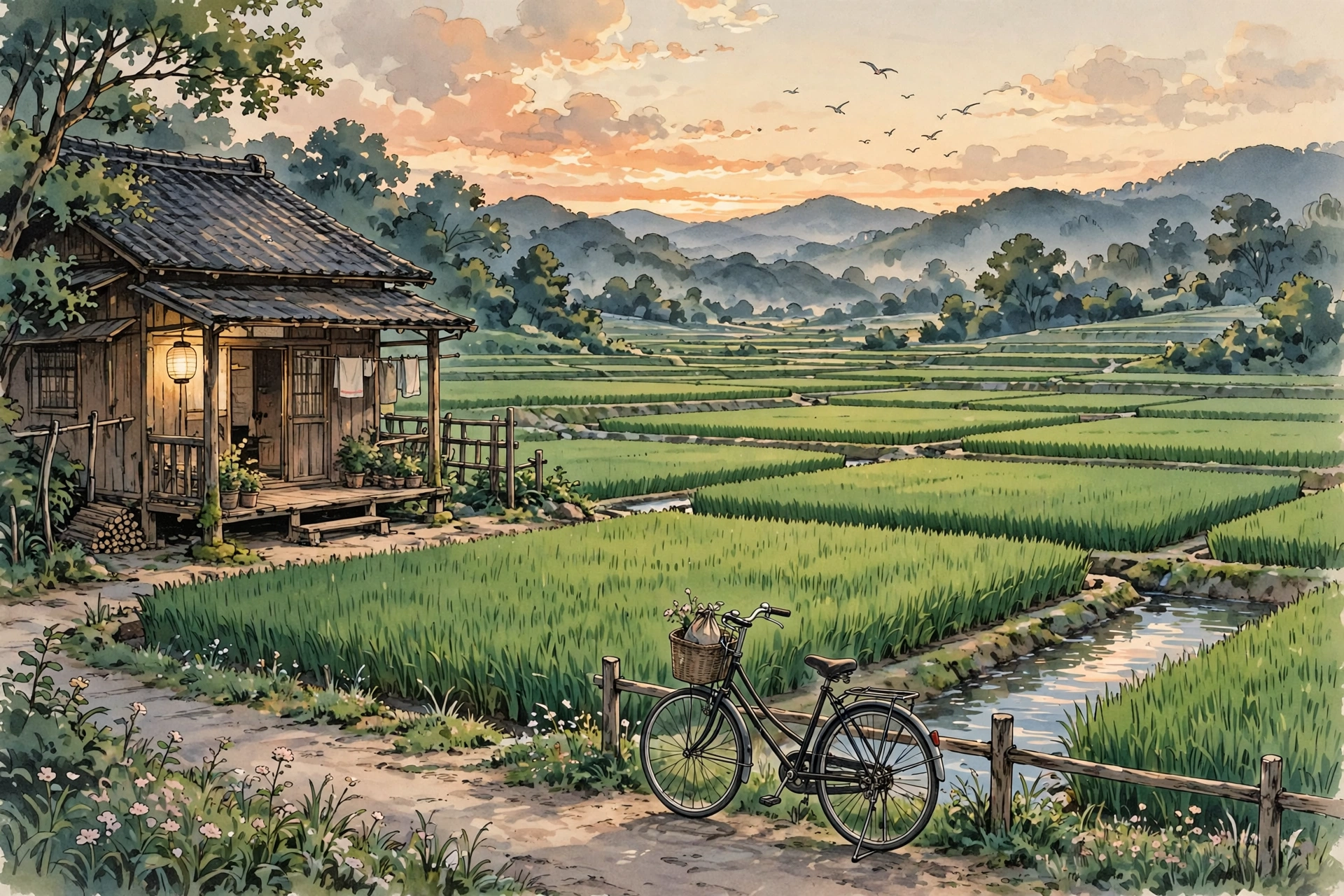
Family and domestic is life at home: parents and children, grandparents, or an unlikely household learning to live together. The stories are gentle, but the feelings run deep — growing up, growing old, and looking after each other.
School life is friendship and routine at school: club activities, festivals, exams, and the slow business of becoming who you are. Our shonen vs seinen guide explains how the same setting feels different for younger or older readers.
Rural and nature is slow life far from the city: mountains, fields, the sea, and the changing seasons. These series move at the pace of the countryside itself, and that is exactly why readers love them.
| Flavour | What it does best | Good starter title |
|---|---|---|
| Everyday and iyashikei | A quiet day, beautifully observed | Yotsuba&! |
| Work and craft | A job becomes the story | Silver Spoon |
| Family and domestic | Home life, growing up together | Usagi Drop |
| School life | Friendship and routine at school | K-On! |
| Rural and nature | Slow life far from the city | Barakamon |
Landmark Slice of Life Manga Worth Reading
Yotsuba&! by Kiyohiko Azuma follows a small, endlessly curious girl who treats every ordinary day like an adventure: a trip to the shops, a cicada in a jar, a first taste of ice cream. Everything is new to Yotsuba, and her joy is catching. It is the friendliest entry point in the whole genre.
Barakamon by Satsuki Yoshino sends a proud young calligrapher from Tokyo to a tiny island village, where the locals — especially a noisy, fearless little girl — slowly teach him to slow down. It is funny, warm, and quietly wise about what really matters.
March Comes in Like a Lion by Chica Umino is the most emotional entry point. A lonely young shogi player learns to live again with the help of three sisters who run a small family business. It is gentle and patient, and it treats sadness and healing with rare honesty. Its quiet tone shares something with the best mystery and psychological manga, where the real story is always inside the characters.
Silver Spoon by Hiromu Arakawa puts a city boy in an agricultural school, where he has to learn farming from scratch: milking cows, growing crops, and facing where food really comes from. It is funny, practical, and full of respect for honest work.
Aria by Kozue Amano is the purest iyashikei there is. On a terraformed Mars, a young gondolier rows visitors through the canals of a city modelled on Venice. Every chapter is a small, beautiful day: sunlight on water, a cat on a rooftop. It is the series readers reach for when they need to slow down.
Usagi Drop by Yumi Unita asks a simple question: what happens when a single man in his thirties suddenly becomes the guardian of a quiet six-year-old girl? The answer is a tender, honest story about family, patience, and learning to care for someone else.

Who Is Slice of Life Manga For?
Slice of life manga suits readers who enjoy warmth over excitement — a natural next step after action or adventure manga, or a gentle first step into manga altogether. It is mostly for teenagers and older readers, but lighter series like Yotsuba&! are a wonderful way in for younger readers too. Our manga age ratings guide explains what the ratings mean before you hand a series to a younger reader.
It is also the genre readers come back to when life is busy. A single chapter takes ten minutes, and it leaves you calmer than it found you. That is why so many readers keep a slice of life series on their nightstand: not to finish it, but to live in it for a while.
Where Beginners Should Start
Start with the mood you want. Want pure joy and laughter? Start with Yotsuba&!. Want something warm and funny with a little countryside charm? Start with Barakamon. Want a story that will quietly change how you see your own life? Start with March Comes in Like a Lion.
If you have no favourite, start with Usagi Drop for something deeper, or Aria for the calmest reading experience in manga. If you are new to manga itself, our manga reading order guide shows how to start without getting lost.
Frequently Asked Questions
What is the best slice of life manga to start with?
Yotsuba&! is the friendliest first pick: short chapters, a lovable hero, and humour in every scene. Barakamon is the classic choice if you want warmth, comedy, and a little countryside charm.
Is slice of life manga boring?
Only if you expect a big plot. Slice of life trades plot for feeling: small moments, real characters, and atmosphere. Readers who enjoy it say the quiet is the whole point — the story is what happens between the big events.
Do I need to read slice of life manga in order?
Most slice of life series follow one continuous story, so start at volume one. Some, like Aria and Laid-Back Camp, have chapters that stand alone, so you can dip in almost anywhere and still enjoy the mood.
Are slice of life manga suitable for younger readers?
Many are. Lighter series like Yotsuba&! are written for younger readers, while deeper titles about loss and growing up are aimed at older teens and adults. Check the age rating before handing a series to a younger reader.
Conclusion
Slice of life manga works because it respects the ordinary. A shared meal, a walk home, a quiet afternoon: the page shows what a careful life looks like, and what it costs to pay attention to it. There is no villain to defeat and no world to save — only people, living their days as well as they can.
Start with one title that matches your mood and give it a few chapters. If you find yourself smiling at a page about nothing more than a pot of tea, you have found your genre.